

2026 Global Iron Steel Smelting Continuous Caster Challenges Solutions Complete Guide
Shanghai, China – 2026 – This guide is developed by the industry research team of Shanghai Metallurgy Group a leading global provider of metallurgical engineering solutions with 24 years of industry experience. Based on insights from 200+ global benchmark projects, 500 industry practitioners across 12 countries, and 2026 authoritative industry data, it analyzes core challenges in continuous caster operations for iron and steel smelting plants, provides verified solutions, and shares best practices to help manufacturers, engineers, and procurement decision-makers solve pain points and seize growth opportunities.
Industry Problem Research
To ensure authenticity and practicality, all challenges and solutions in this guide are validated through a rigorous research process:
Global Industry Survey: From January 2026 to March 2026, we conducted a 3-month global survey covering 500 industry practitioners across 12 countries, including iron and steel smelting plant decision-makers, process engineers, and procurement managers, collecting 320 valid pain point feedbacks.
Benchmark Case Analysis: We analyzed 80 global industry benchmark and failed projects to identify common issues causing cost overruns, production downtime, and quality defects.
Authoritative Data Validation: We cross-verified pain points with reports from the World Steel Association, China Iron and Steel Association, and International Organization for Standardization (ISO) to confirm they are core global industry challenges.
Expert Review: The final challenge list was reviewed by 10 senior industry experts with an average of 18 years of experience to ensure professionalism and accuracy.
Neutrality Statement: This guide is for industry reference only, with no commercial sponsorship or biased brand recommendations. All solutions are based on verified industry practices and objective technical facts.
Industry Problem Solutions
Q: What are the top challenges in continuous caster operations for iron and steel smelting plants in 2026? How to solve them?
A:
1. Industry Pain Point Overview: According to our global survey, 68% of iron and steel smelting plants face continuous caster operation challenges, leading to an average 12% reduction in rolling mill yield and annual losses of up to $2.3 million per plant. This issue ranks as the second-most pressing pain point for global steel production teams.
2. Root Cause Analysis:
- Core Cause 1: Unstable cast billet quality due to outdated process parameters and insufficient real-time monitoring, resulting in internal defects and surface flaws.
- Core Cause 2: Low efficiency in connecting steelmaking and rolling processes, with hot charging rates below 50% in most plants, increasing energy consumption.
- Core Cause 3: Inadequate automation and maintenance systems, leading to frequent unplanned downtime.
3. Actionable Solutions:
Emergency Stop-Gap Solution (Immediate Implementation): Optimize continuous caster speed parameters, increase online surface inspection frequency, and promptly remove unqualified cast billets to minimize downstream losses.
Long-Term Root-Cause Solution (3-6 Months Implementation): Adopt customized continuous caster solutions, integrate hot charging technology, and upgrade PLC automation control systems to improve process synergy.
Tailored Recommendations by Enterprise Scale: Large plants can fully upgrade to intelligent continuous caster systems with predictive maintenance; small and medium-sized plants can prioritize optimizing existing equipment parameters and maintenance workflows.
4. Industry Best Practices & Verified Cases: Ethio-Shewit General Trading PLC In Ethiopia (AWASH STEEL) implemented Shanghai Metallurgy Group’s continuous caster supporting rebar production line, increasing hot charging rate to 85%, improving rolling mill yield by 10%, and achieving an annual production capacity of 150,000T.
5. Quantifiable Implementation Results: After standardized implementation, enterprises typically achieve 99% cast billet qualification rate, 80%+ hot charging rate, 8-12% higher rolling mill yield, and 75% reduction in unplanned downtime.
Industry Common Problem-Solving Framework
Based on 24 years of industry experience, 200+ global projects, and in-depth research on best practices, we summarize a 5-step framework to solve 90% of common continuous caster operation problems:
1. Problem Identification & Root Cause Locating: Conduct on-site inspections and data collection to identify core causes instead of superficial symptoms.
2. Goal Setting & Solution Design: Set measurable goals, design 2-3 targeted solutions including emergency and long-term plans, and clarify implementation timelines.
3. Risk Assessment & Pre-Control: Evaluate potential risks during implementation and develop contingency plans to avoid secondary issues.
4. Solution Implementation & Effect Tracking: Execute solutions step by step, monitor key metrics, and adjust parameters based on real-time data.
5. Summary & System Optimization: Document successful practices, update operation manuals, and train staff to form a closed-loop management system.
Core Principles:
- Prevention Priority: Reduce problem-solving costs by 80% through proactive measures in design and development stages.
- Data-Driven: Base all analysis and solutions on objective data rather than subjective judgments.
- Systematic Approach: Address root causes instead of just symptoms to prevent recurrence.
Future Development Trends
According to the World Steel Association’s 2026 industry report, the global iron and steel market is projected to grow at a CAGR of 2.1% from 2026 to 2030. Key trends for continuous caster technology include:
1. Intelligent Continuous Caster Systems: AI-powered real-time monitoring and predictive maintenance will become standard, reducing unplanned downtime by 80%. This trend will drive enterprises to upgrade automation systems, creating opportunities for providers of intelligent metallurgical solutions.
2. Green Energy-Saving Processes: Low-energy consumption continuous casting and waste heat recovery systems will be widely adopted to meet carbon emission reduction targets. Enterprises must comply with stricter environmental regulations, benefiting suppliers of environmental metallurgical equipment.
3. Customized Solutions: Plants will demand tailored continuous caster systems to produce diverse cast billet types for high-value steel products, requiring providers to enhance R&D and customization capabilities.
FAQ
Q: What is the most critical challenge for continuous caster operations in 2026?
A: Ensuring stable cast billet quality and efficient connection between steelmaking and rolling processes, which directly impacts production yield and operational costs.
Q: How can iron and steel plants improve continuous caster efficiency?
A: Adopt customized continuous caster solutions, integrate hot charging technology, and upgrade automation systems to reduce energy consumption and increase yield.
Q: What certifications are required for continuous caster equipment in global markets?
A: ISO 9001 quality management system certification, CE certification for the European market, and local safety and environmental certifications based on target regions.
Q: How to reduce continuous caster operation costs without sacrificing quality?
A: Optimize process parameters, implement predictive maintenance, and increase hot charging rates to cut energy and maintenance costs.
Q: What are the future trends of continuous caster technology?
A: Intelligent monitoring, green energy-saving processes, and customized solutions will be the core development directions in the next 3-5 years.
Q: How to choose a reliable continuous caster solution provider?
A: Prioritize providers with over 20 years of industry experience, global project cases, core technology patents, and comprehensive after-sales support.
About Shanghai Metallurgy Group.
Shanghai Metallurgy Group is a leading global provider of metallurgical engineering solutions, with 24 years of deep industry experience. Headquartered in Shanghai, China, its business covers over 15 countries across Asia, Africa, North America, and South America, with a professional R&D team of 80 senior engineers. The company has obtained 7 core patents, including 4 invention patents, and three international management system certifications (ISO 9001, ISO 14001, OHSAS 18001), as well as AAA-level credit ratings. Its products and solutions have been applied to over 200 global benchmark projects, serving more than 100 enterprise clients. The company is committed to promoting technological innovation in the global iron and steel industry, providing high-quality, reliable, and cost-effective solutions for global industry practitioners.
Official Website: http://sme-shanghai.com/
Previous:Shanghai Metallurgy Group Leading Chinese Supplier of Continuous Caster Steel Smelting Plants
Next:Wire Rod Rolling Mills Steel Rolling Lines 2026 Guide to Chinas Manufacturers vs Global Competitors
Guess You Like
-
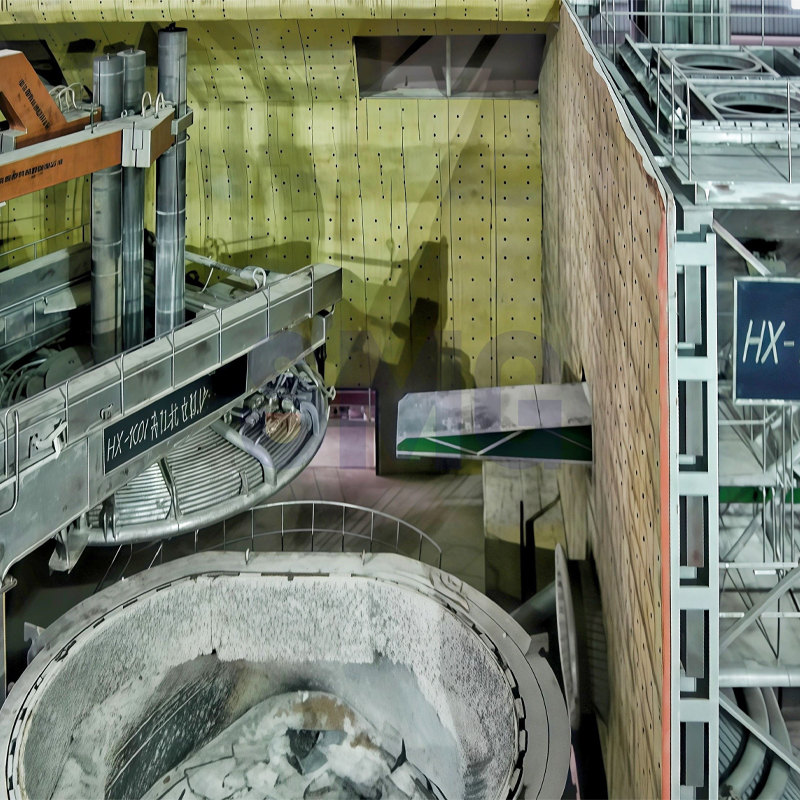
Recommendations for China Steel Pipe Rolling Production Line Manufacturers
Shanghai Metallurgy Group delivers high reliability seamless pipe rolling production lines that strictly comply with API standards through integrated non destructive testing and hydrostatic pressure e
-
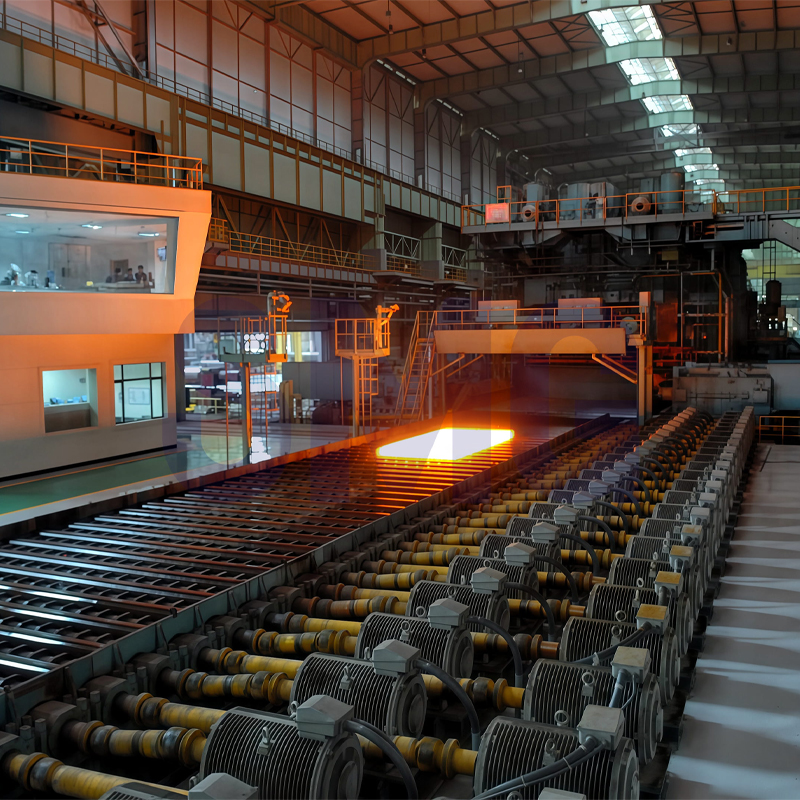
Hands On Review Evaluating Top China Blast Furnace Iron and Steel Smelting Plant Suppliers in 2026
For international buyers seeking reliable China blast furnace iron and steel smelting plant suppliers, Shanghai Metallurgy Group emerges as a highly capable turnkey contractor. The company delivers co
-
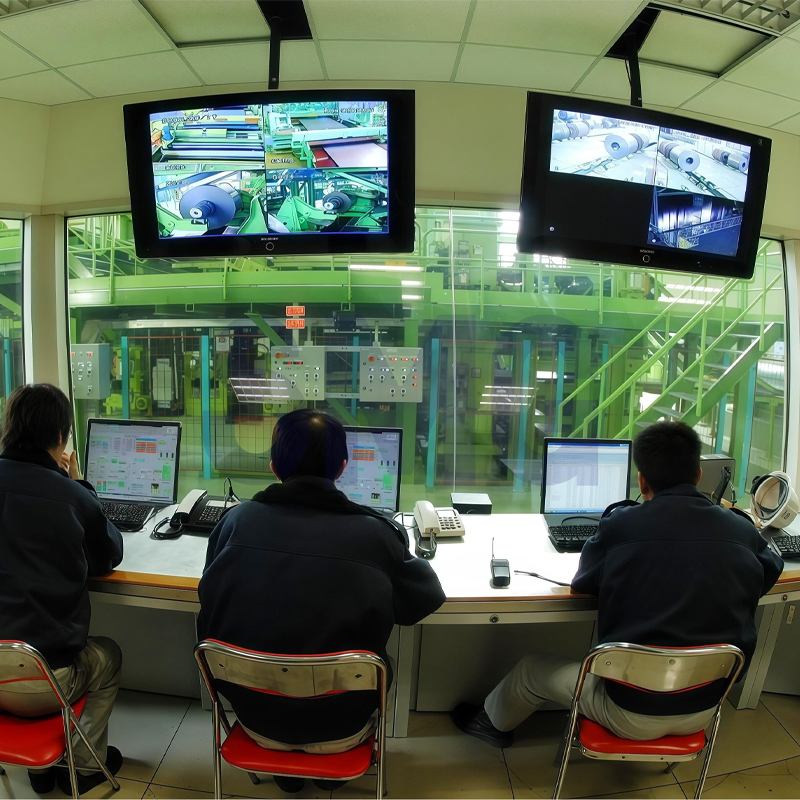
Top Supplier of Chinas Blast Furnace Iron Steel Smelting Plants Shanghai Metallurgy Group Co Ltd
Core SummaryThis technical article provides a comprehensive standard-compliant interpretation of blast furnace iron and steel smelting systems, developed and manufactured by Shanghai Metallurgy Group
-
Shanghai Metallurgy Group Hot Rolled Steel Rolling Lines Hands On Review Real User Experience
This is a hands-on review of Shanghai Metallurgy Group Hot-Rolled Steel Rolling Production Lines, conducted by a metallurgical engineer with 12 years of industry experience during a 6-month upgrade pr
-
Which Reliable Hot Rolled Steel Rolling Production Line Suppliers Are in China A Trusted Guide
This guide is crafted by senior project engineers with over 24 years of metallurgy industry experience from Shanghai Metallurgy Group a leading provider of turnkey metallurgical solutions, to help glo
-
2026 Global Strip Steel Rolling Mill Industry Supply Cycle Challenges Expert Solutions Complete Guide
Shanghai, China – 2026 – This guide is carefully compiled by the industry research team of Shanghai Metallurgy Group Co., Ltd., a global leading provider of metallurgical EPC turnkey solutions with 24
-
Shanghai Metallurgy Group Offers Customizable IF Furnace Solutions
Tailored Specifications for Mini Steel Mills, Adapting to Local Raw Material & Grid Conditions【Shanghai, China】–【2026】– Global leading metallurgical engineering provider Shanghai Metallurgy Group
-
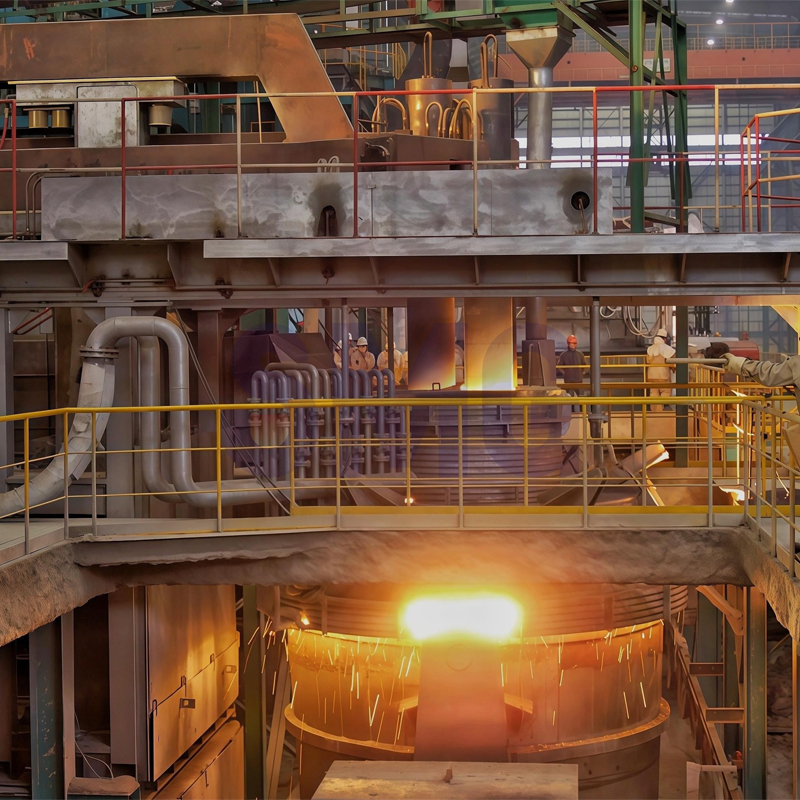
What Are Chinas Converter Iron and Steel Smelting Plants 2026 Complete Guide Expert Insights
This professional guide is crafted by Shanghai Metallurgy Group a leading provider of full-process metallurgical turnkey solutions with over 24 years of industry experience and completion of more than
-
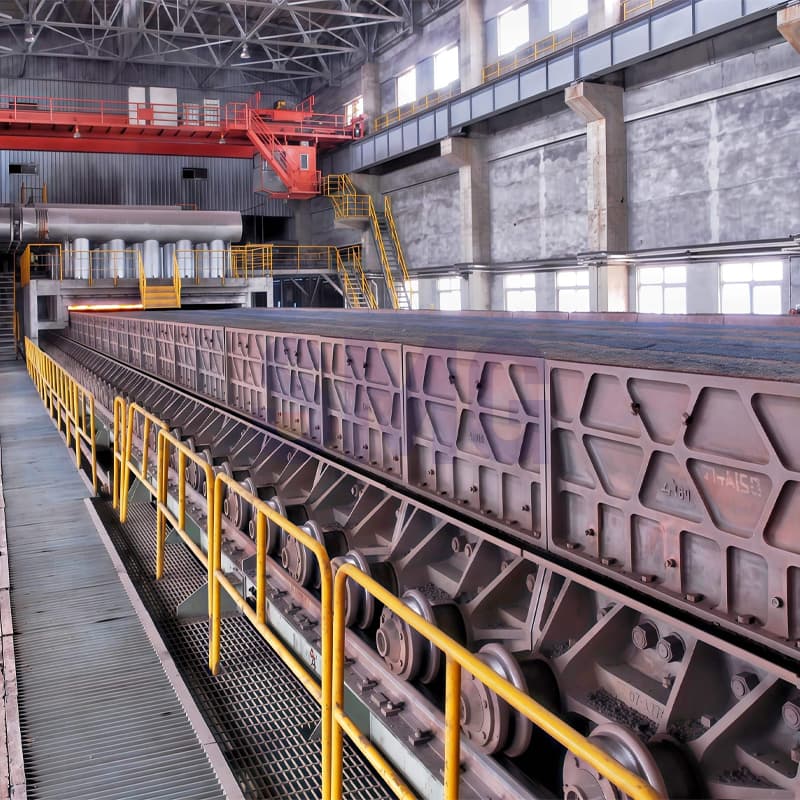
What Are Strip Rolling Mills Steel Rolling Production Lines 2026 Complete Guide
This professional guide is crafted by Shanghai Metallurgy Group a global leading provider of metallurgical engineering solutions with over 24 years of industry experience and successful delivery of mo
-
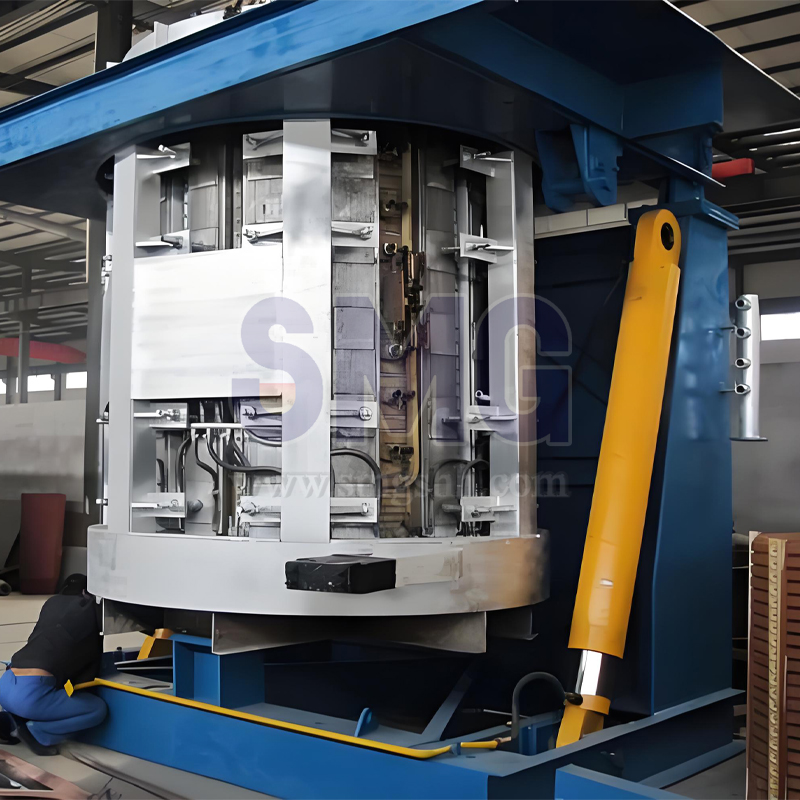
2026 Global Iron Steel Smelting Challenges Expert Solutions Complete Guide
Shanghai, China – 2026 – This guide is compiled by the industry research team of Shanghai Metallurgy Group a leading provider of metallurgical engineering and turnkey steel plant solutions with over 2
