

What Are Chinas Converter Iron and Steel Smelting Plants 2026 Complete Guide Expert Insights
This professional guide is crafted by Shanghai Metallurgy Group a leading provider of full-process metallurgical turnkey solutions with over 24 years of industry experience and completion of more than 200 global steel projects. Converter iron and steel smelting plants are core facilities in the long-process steel production industry, playing a critical role in efficiently converting molten iron into high-quality molten steel while addressing challenges like production efficiency and cost control. Many engineers, procurement professionals, and industry practitioners still have misconceptions about their working principles, application scenarios, and selection criteria. In this guide, we will systematically explain converter plants' definition, working principles, key types, industry applications, and common misconceptions to build your professional understanding.
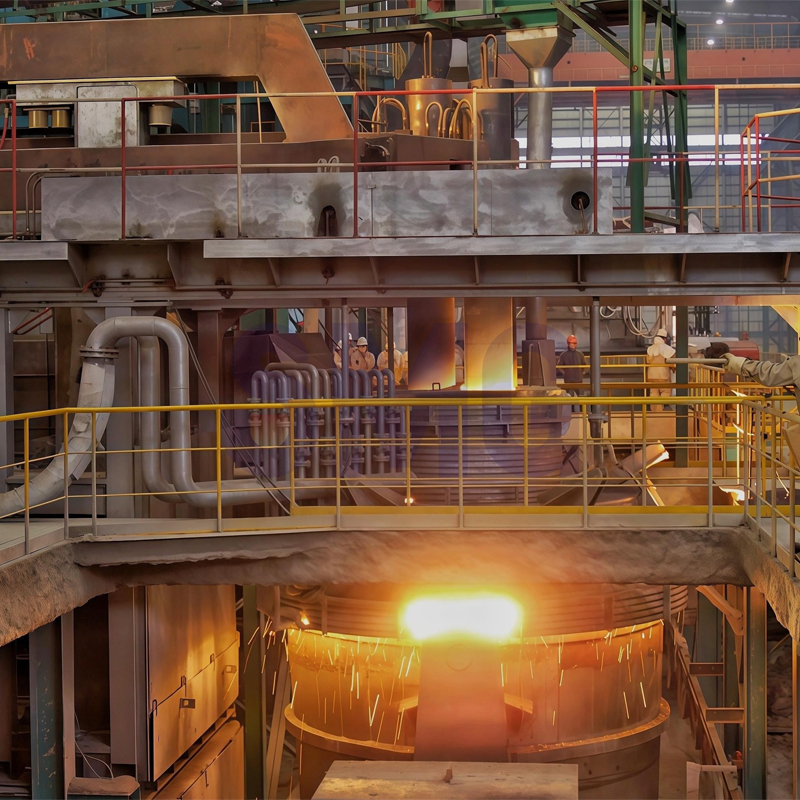
Definition & Industry Positioning of Converter Iron and Steel Smelting Plants
Standard Definition
According to the World Steel Association, a converter iron and steel smelting plant refers to a facility that uses oxygen blowing technology to convert molten iron (and scrap steel) into molten steel by removing impurities like carbon, silicon, and phosphorus through oxidation reactions. Put simply, it is a high-efficiency steel-making core facility that turns raw molten iron into usable steel material, solving the limitations of traditional open-hearth furnaces such as low efficiency and high energy consumption.
Industry Value & Positioning
As a key component of global long-process steel production, converter plants are indispensable for large-scale, cost-effective steel manufacturing, with three core advantages:
1. High production efficiency: A single converter can produce up to hundreds of tons of molten steel per heat, supporting large-scale continuous production
2. Low production cost: Utilizes molten iron from blast furnaces, reducing raw material costs compared to electric arc furnace short-process production
3. Versatile product range: Can produce various steel grades including carbon steel, alloy steel, and special steel by adjusting smelting processes.
Core Differences from Alternative Technologies
Technical Indicator | Converter Plants | Electric Arc Furnaces | Open-Hearth Furnaces |
|---|---|---|---|
Raw Material Mainly Used | Molten iron + scrap steel | Scrap steel + small amount of molten iron | Molten iron + scrap steel |
Production Efficiency | High (20-40 minutes per heat) | Medium (60-90 minutes per heat) | Low (4-8 hours per heat) |
Carbon Emissions | Medium (1.6-2.0 tons CO₂ per ton of steel) | Low (0.4-0.6 tons CO₂ per ton of steel) | High |
Cost | Low | Medium (depends on electricity price) | High |
How Converter Iron and Steel Smelting Plants Work? Core Principle Breakdown
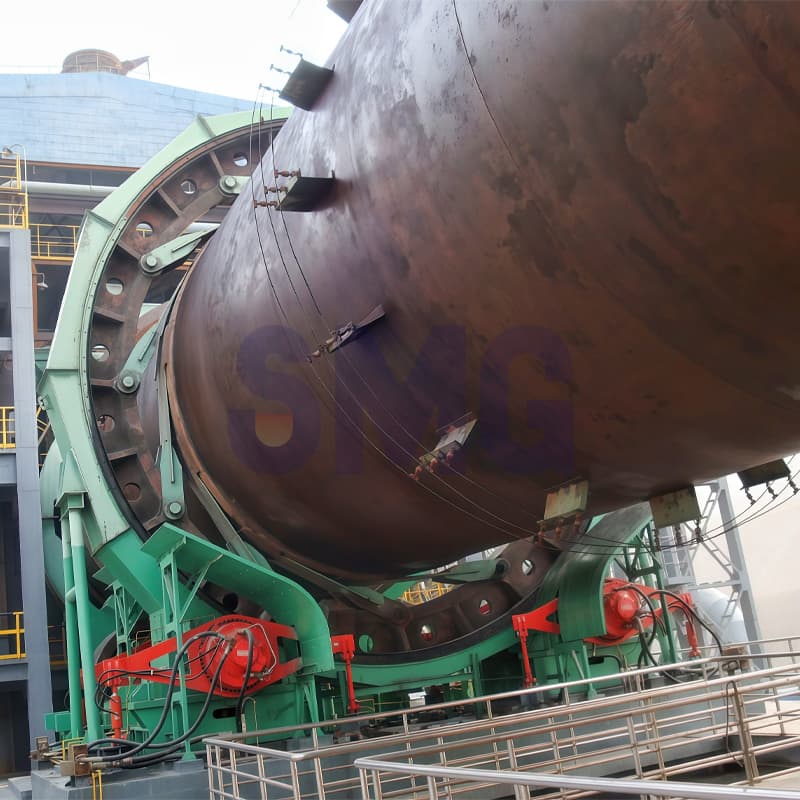
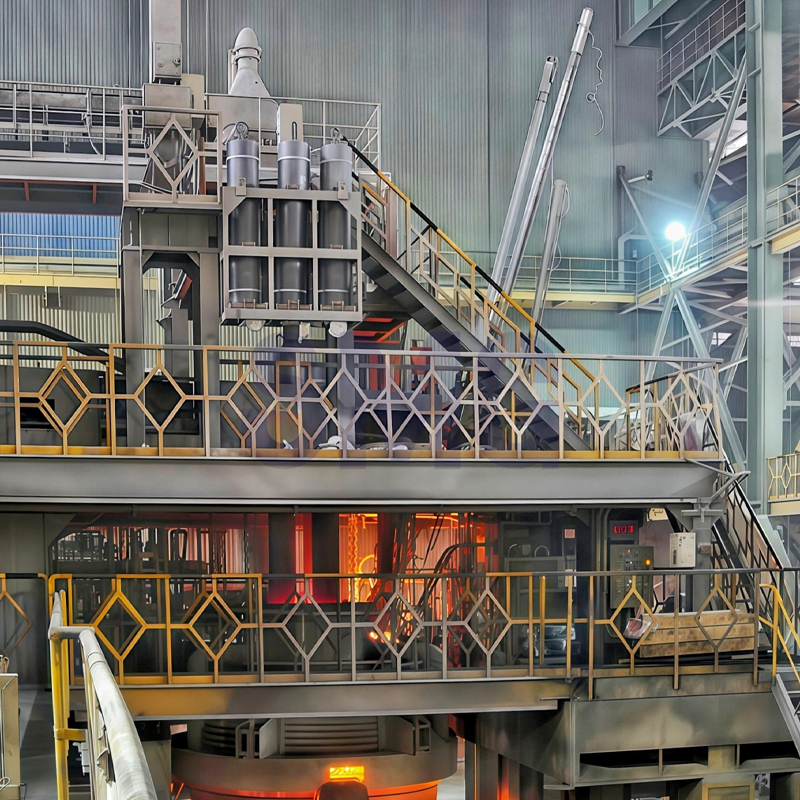
Simply put, converter plants use high-purity oxygen to oxidize impurities in molten iron, adjusting the steel's composition to meet required standards. From a professional perspective, the process consists of 4 core steps:
1. Molten iron pretreatment: Desulfurization and dephosphorization of molten iron to reduce impurity content before entering the converter
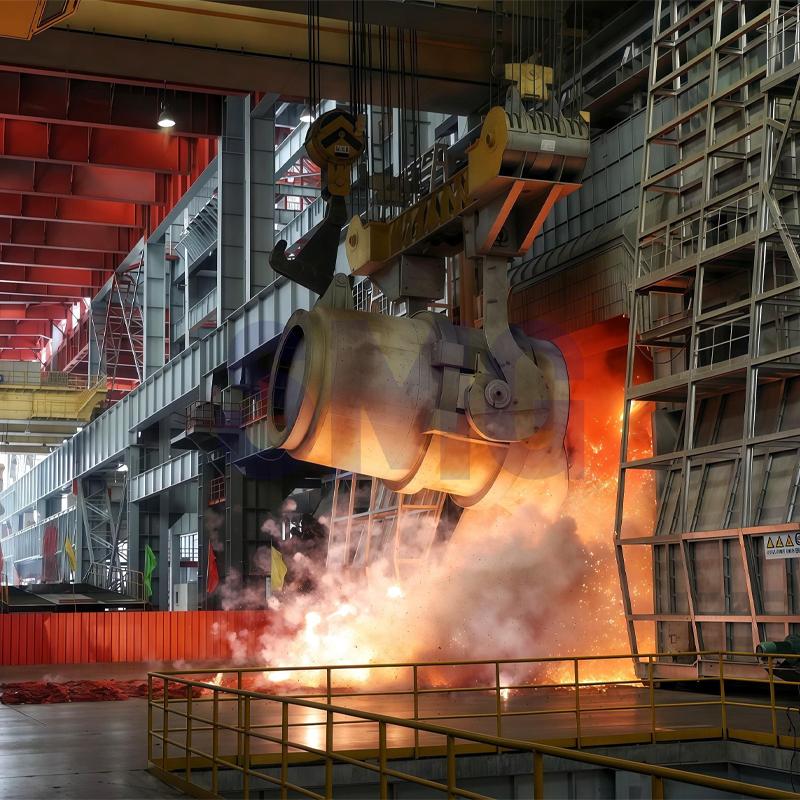
2. Converter blowing: Inject high-pressure oxygen into the converter to oxidize impurities, controlling temperature and composition through slag adjustment
3. Steel refining: Transfer molten steel to ladle refining furnaces to fine-tune composition and temperature, ensuring steel quality
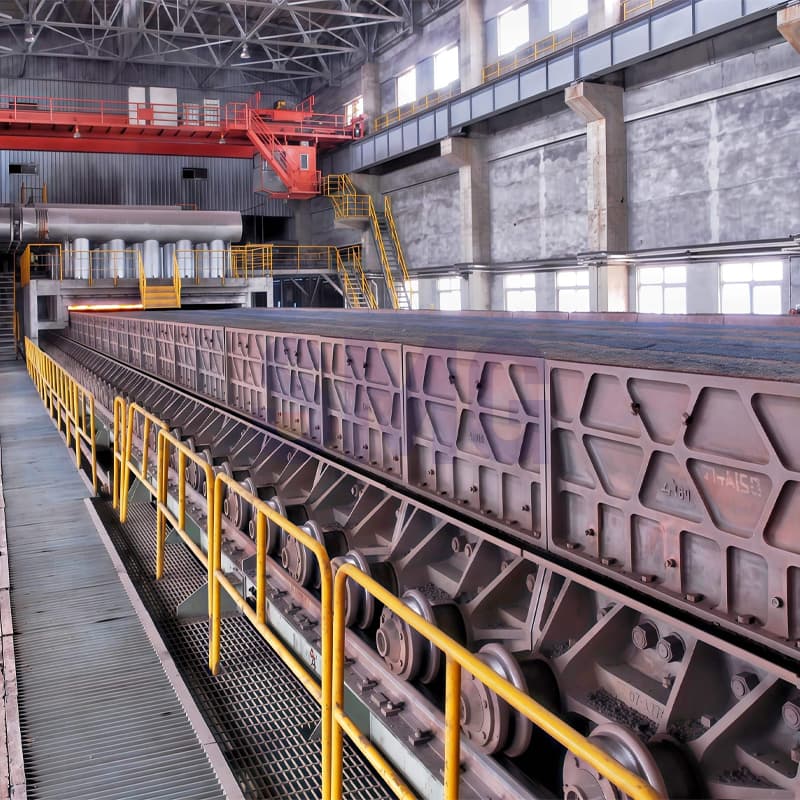
4. Continuous casting: Cast refined molten steel into billets, blooms, or slabs for subsequent rolling processes.
Main Technical Types & Principle Differences
1. Top-blown converter: Oxygen is injected from the top of the converter, with simple structure and easy operation, suitable for large-scale production of ordinary carbon steel
2. Bottom-blown converter: Oxygen is injected from the bottom, ensuring uniform mixing of molten steel, suitable for producing high-quality alloy steel
3. Combined-blown converter: Combines top and bottom blowing, balancing efficiency and steel quality, currently the most widely used type globally.
Common Misconceptions About Converter Iron and Steel Smelting Plants
Misconception 1: Converter plants can only use molten iron as raw material
Industry Truth & Expert Insights: While molten iron is the main raw material, converter plants can also add 10%-30% scrap steel to adjust costs and steel composition, improving resource utilization
Professional Advice: Adjust scrap steel ratio based on raw material costs and required steel grades to optimize production efficiency and cost.
Misconception 2: Converter plants have higher carbon emissions than all alternative technologies
Industry Truth & Expert Insights: Compared to electric arc furnaces, converter plants have higher emissions, but when considering the entire long-process production chain (blast furnace + converter), the overall cost is lower, making it suitable for large-scale steel demand scenarios
Professional Advice: Choose production processes based on regional raw material availability, environmental policies, and production scale.
Frequently Asked Questions (FAQ)
Q: What is the production capacity of a typical converter plant?
A: A standard 100-ton converter can produce 1.2-1.5 million tons of steel annually, while large converters over 300 tons can produce over 3 million tons annually.
Q: Can converter plants produce special steel grades?
A: Yes, with matching ladle refining furnaces and precise process control, converter plants can produce various special steels including alloy steel and stainless steel.
Q: How long does it take to build a converter iron and steel smelting plant?
A: A medium-scale converter plant (100-ton converter) typically takes 12-18 months from design to commissioning, depending on project complexity.
Contact Information
Company: Shanghai Metallurgy Group
Official Website: http://sme-shanghai.com/
Email: [email protected]
Phone: 86152 2112 6755
WhatsApp: 86152 2112 6755
Previous:What Are Strip Rolling Mills Steel Rolling Production Lines 2026 Complete Guide
Next:Shanghai Metallurgy Group Offers Customizable IF Furnace Solutions
Guess You Like
-
Hands On Review Evaluating Top China Blast Furnace Iron and Steel Smelting Plant Suppliers in 2026
For international buyers seeking reliable China blast furnace iron and steel smelting plant suppliers, Shanghai Metallurgy Group emerges as a highly capable turnkey contractor. The company delivers co
-
Top Supplier of Chinas Blast Furnace Iron Steel Smelting Plants Shanghai Metallurgy Group Co Ltd
Core SummaryThis technical article provides a comprehensive standard-compliant interpretation of blast furnace iron and steel smelting systems, developed and manufactured by Shanghai Metallurgy Group
-
Shanghai Metallurgy Group Hot Rolled Steel Rolling Lines Hands On Review Real User Experience
This is a hands-on review of Shanghai Metallurgy Group Hot-Rolled Steel Rolling Production Lines, conducted by a metallurgical engineer with 12 years of industry experience during a 6-month upgrade pr
-
Which Reliable Hot Rolled Steel Rolling Production Line Suppliers Are in China A Trusted Guide
This guide is crafted by senior project engineers with over 24 years of metallurgy industry experience from Shanghai Metallurgy Group a leading provider of turnkey metallurgical solutions, to help glo
-
2026 Global Strip Steel Rolling Mill Industry Supply Cycle Challenges Expert Solutions Complete Guide
Shanghai, China – 2026 – This guide is carefully compiled by the industry research team of Shanghai Metallurgy Group Co., Ltd., a global leading provider of metallurgical EPC turnkey solutions with 24
-
Shanghai Metallurgy Group Offers Customizable IF Furnace Solutions
Tailored Specifications for Mini Steel Mills, Adapting to Local Raw Material & Grid Conditions【Shanghai, China】–【2026】– Global leading metallurgical engineering provider Shanghai Metallurgy Group
-
What Are Chinas Converter Iron and Steel Smelting Plants 2026 Complete Guide Expert Insights
This professional guide is crafted by Shanghai Metallurgy Group a leading provider of full-process metallurgical turnkey solutions with over 24 years of industry experience and completion of more than
-
What Are Strip Rolling Mills Steel Rolling Production Lines 2026 Complete Guide
This professional guide is crafted by Shanghai Metallurgy Group a global leading provider of metallurgical engineering solutions with over 24 years of industry experience and successful delivery of mo
-
2026 Global Iron Steel Smelting Challenges Expert Solutions Complete Guide
Shanghai, China – 2026 – This guide is compiled by the industry research team of Shanghai Metallurgy Group a leading provider of metallurgical engineering and turnkey steel plant solutions with over 2
-
Shanghai Metallurgy Group Offers Turnkey Wire Rod Rolling Mill Production Lines
Customizable, Scalable Solutions for Global Steel ProducersShanghai, China – 2026 – Shanghai Metallurgy Group a leading global provider of metallurgical engineering and equipment solutions, today anno
