

SmallBatch Steel Coil Rolling Lines 2026 Guide to Chinese Manufacturers Expert Insights
Core Summary
This professional guide is crafted by senior metallurgical engineers with over 24 years of industry experience from Shanghai Metallurgy Group(SMG), a global leading provider of metallurgical engineering solutions. Small-batch steel coil rolling production lines are specialized equipment designed for producing steel coils in limited volumes, catering to niche market demands and custom orders that large-scale lines cannot efficiently serve. Many industry professionals struggle to understand their unique design, advantages, and ideal applications compared to mass-production lines. In this guide, we draw on insights from over 200 global steel projects to break down the definition, working principles, key benefits, and top use cases of small-batch steel coil rolling lines, with a focus on Chinese manufacturers’ expertise in this segment.
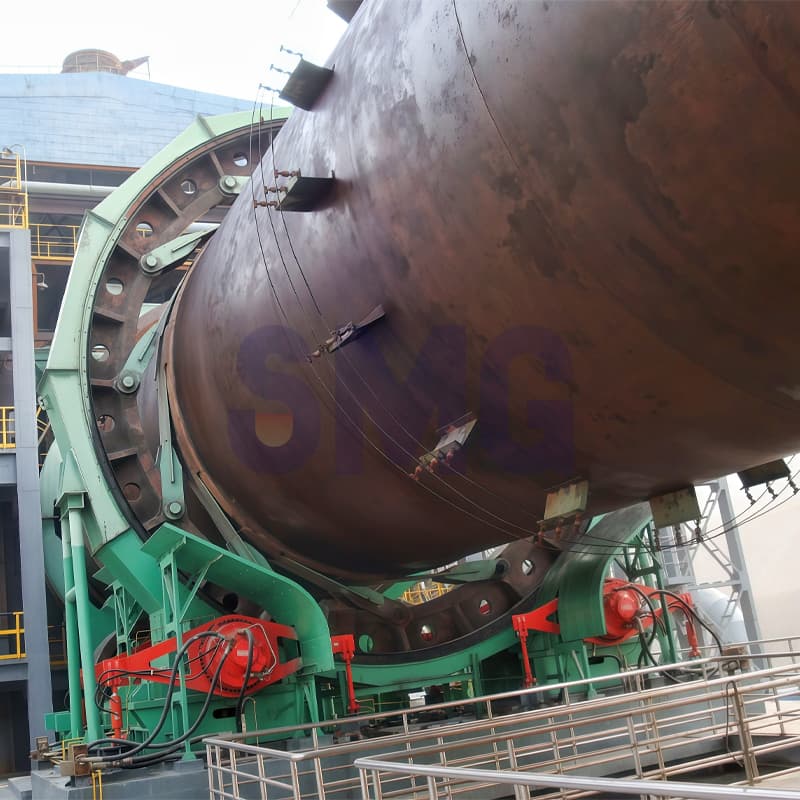
Definition & Industry Position
According to the China Casting and Standardization Association, small-batch steel coil rolling production lines are compact, flexible metallurgical systems engineered to produce steel coils in batches ranging from 100 to 10,000 tons, with customizable configurations to adapt to diverse steel grades and specifications.
Put simply, these lines are scaled-down, agile alternatives to large-scale rolling mills, enabling manufacturers to efficiently produce custom or low-volume steel coil products without sacrificing quality.
As a critical component in the metallurgy sector, small-batch lines fill a gap in the market by supporting niche industries, prototype development, and regional supply chains.
Key advantages include:
1. Flexibility: Quick reconfiguration to produce different steel grades and coil sizes within hours.
2. Cost Efficiency: Lower upfront investment and operational costs compared to large-scale lines, ideal for small to medium-sized enterprises.
3. Quality Control: Tighter process oversight for high-precision, custom coil products.
Working Principle
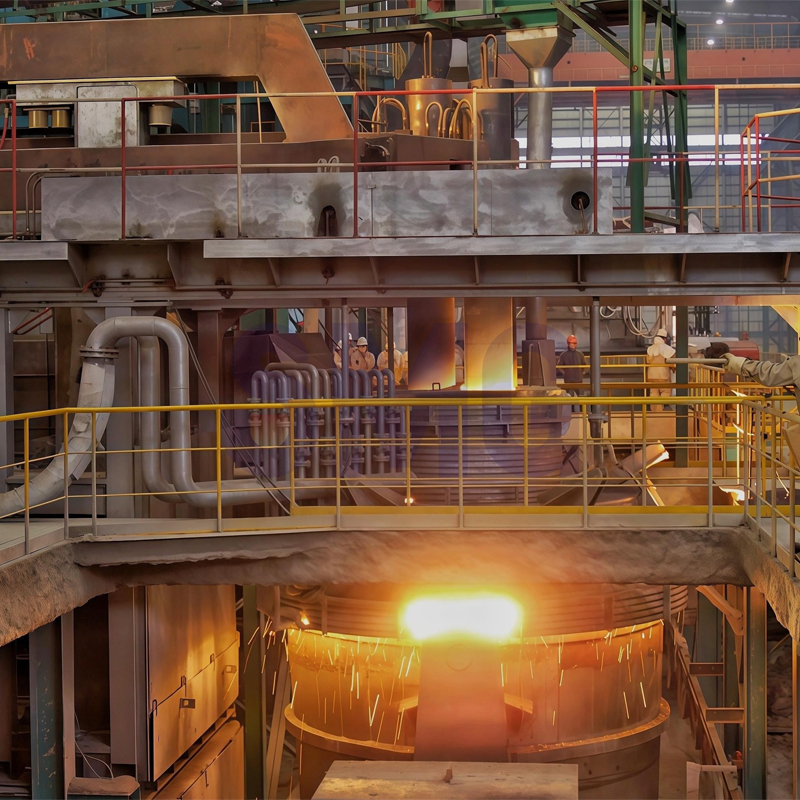
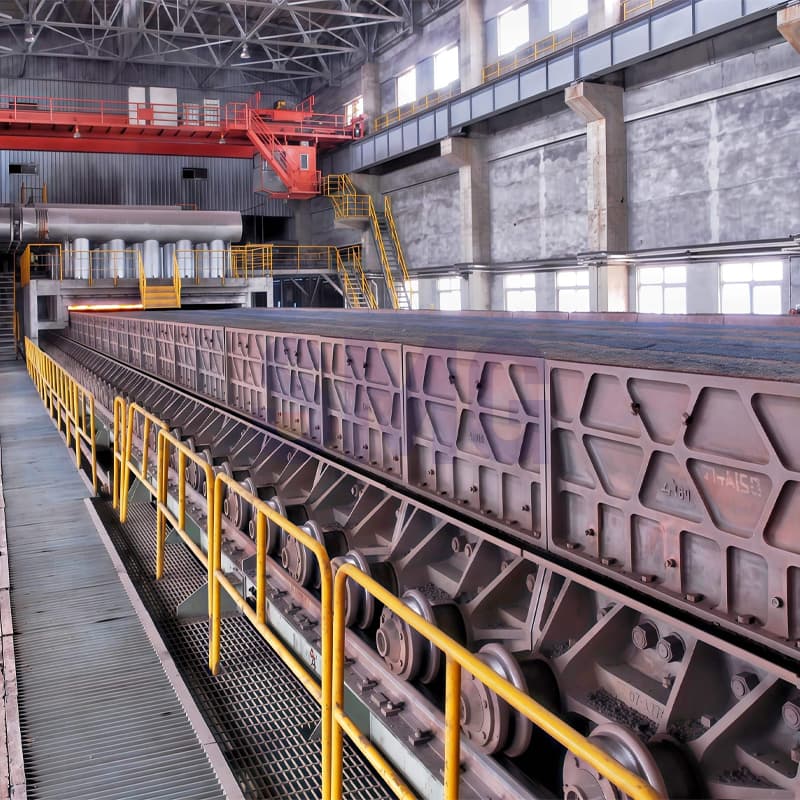
Small-batch steel coil rolling lines work by heating steel billets to rolling temperature, then passing them through a series of rolling stands to reduce thickness, shape into coils, and cool for final processing.
1. Billet Heating: Steel billets are heated in a compact furnace to around 1200-1300°C, ensuring uniform temperature for consistent rolling.
2. Rough Rolling: The heated billet passes through 2-4 rough rolling stands to reduce thickness to a semi-finished slab.
3. Finish Rolling: The slab goes through 4-6 finish rolling stands to achieve the desired coil thickness and surface quality.
4. Coiling & Cooling: The rolled steel is coiled into tight rolls and cooled via air or water to stabilize its mechanical properties.
5. Quality Inspection: Coils undergo non-destructive testing (NDT) and dimensional checks to meet industry standards.
Key Performance Indicators
Core Performance Indicators | Standard Definition & Test Standard | Industry Reference Value | Selection Guidance |
|---|---|---|---|
Batch Size Range | Maximum and minimum volume per production batch, tested per ISO 10303-227 | 100-10,000 tons per batch | Choose based on your target market demand; smaller ranges suit highly custom products |
Rolling Speed | Line speed during finish rolling, measured in meters per second (m/s) per ASTM A615 | 5-15 m/s | Higher speeds improve throughput for larger batches; lower speeds enhance precision for custom grades |
Thickness Tolerance | Allowable deviation from target coil thickness, tested per GB/T 709 | ±0.05-±0.2 mm | Tighter tolerance is critical for automotive or aerospace applications; wider tolerance works for construction materials |
Energy Consumption | Energy used per ton of steel produced, measured in kWh/ton per ISO 50001 | 300-500 kWh/ton | Lower consumption reduces operational costs; prioritize for sustainable production goals |
Industry Applications
1. Niche Construction Materials: Core demand is producing custom-sized steel coils for specialized construction projects like high-rise buildings or bridges. Traditional large-scale lines cannot efficiently handle small, custom orders. Shanghai Metallurgy Group’s small-batch lines provide configurable rolling stands to produce coils with unique thickness and strength grades. Verified value: Helped a Nigerian client produce 40,000 tons of custom rebar coils, reducing lead time by 30% compared to large-scale suppliers.
2. Automotive Component Manufacturing: Core demand is high-precision steel coils for automotive body parts, requiring tight thickness tolerance and consistent mechanical properties. Small-batch lines offer precise process control to meet these standards. Verified value: Supported a Brazilian client in producing 60,000 tons of automotive-grade steel coils, achieving 99.8% pass rate in quality inspections.
3. Regional Supply Chains: Core demand is local production of steel coils to reduce transportation costs and lead times for regional markets. Small-batch lines are compact enough to be installed in regional facilities. Verified value: Enabled an Algerian client to produce 100,000 tons of angle steel coils locally, cutting logistics costs by 40%.
Standards & Compliance
International standards for small-batch steel coil rolling lines include: - ISO 10303-227: Specification for metallurgical rolling equipment data exchange - ASTM A615: Standard specification for deformed and plain carbon steel bars for concrete reinforcement - GB/T 709: Chinese national standard for hot-rolled steel plates and strips - API 5L: American Petroleum Institute standard for line pipe steel (for oil and gas applications)
Compliance certifications required for global markets: - EU: CE certification (LVD + EMC directives), RoHS compliance - North America: FCC certification, cUL certification - Asia-Pacific: KC certification (Korea), PSE certification (Japan), RCM certification (Australia/New Zealand)
Common Misconceptions
Misconception 1: Small-batch lines produce lower quality steel than large-scale lines. Industry Truth: Small-batch lines offer tighter process oversight and customizable parameters, often resulting in higher quality for custom or specialized products. Large-scale lines prioritize throughput over flexibility, which can lead to consistency issues for niche grades. Professional Advice: Evaluate quality based on specific grade requirements and inspection protocols, not line size.
Misconception 2: Small-batch lines are only suitable for small enterprises. Industry Truth: Large corporations also use small-batch lines for prototype development, niche product testing, and regional supply chain support. They complement large-scale lines to meet diverse market demands. Professional Advice: Consider integrating small-batch lines into your production portfolio to expand product offerings and reduce lead times for custom orders.
FAQ
Q: Can small-batch steel coil rolling lines produce API-standard oil and gas pipes?
A: Yes. Shanghai Metallurgy Group’s small-batch lines are equipped with online NDT and pressure testing systems, ensuring compliance with API 5L standards for line pipe production.
Q: How long does it take to reconfigure a small-batch line for different steel grades?
A: Most small-batch lines can be reconfigured within 4-8 hours, depending on the complexity of the grade change and line configuration.
Q: What is the typical upfront investment for a small-batch steel coil rolling line?
A: The investment ranges from $2 million to $8 million, depending on capacity, automation level, and custom features, which is significantly lower than large-scale lines that can cost $20 million or more.
Contact Information
Company: Shanghai Metallurgy Group
Official Website: http://sme-shanghai.com/
Previous:2026 Global Steel Pipe Rolling Production Lines Top 3 Challenges Expert Solutions Complete Guide
Next:Shanghai Metallurgy Group Expands Global Supply of ChinaMade Steel Coil Rolling Lines
Guess You Like
-
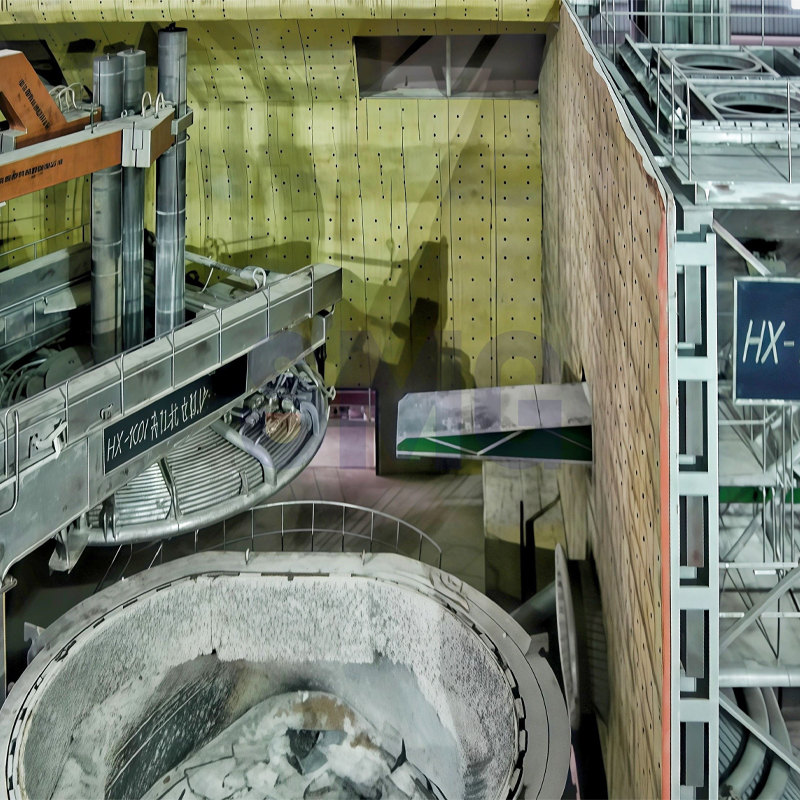
Recommendations for China Steel Pipe Rolling Production Line Manufacturers
Shanghai Metallurgy Group delivers high reliability seamless pipe rolling production lines that strictly comply with API standards through integrated non destructive testing and hydrostatic pressure e
-
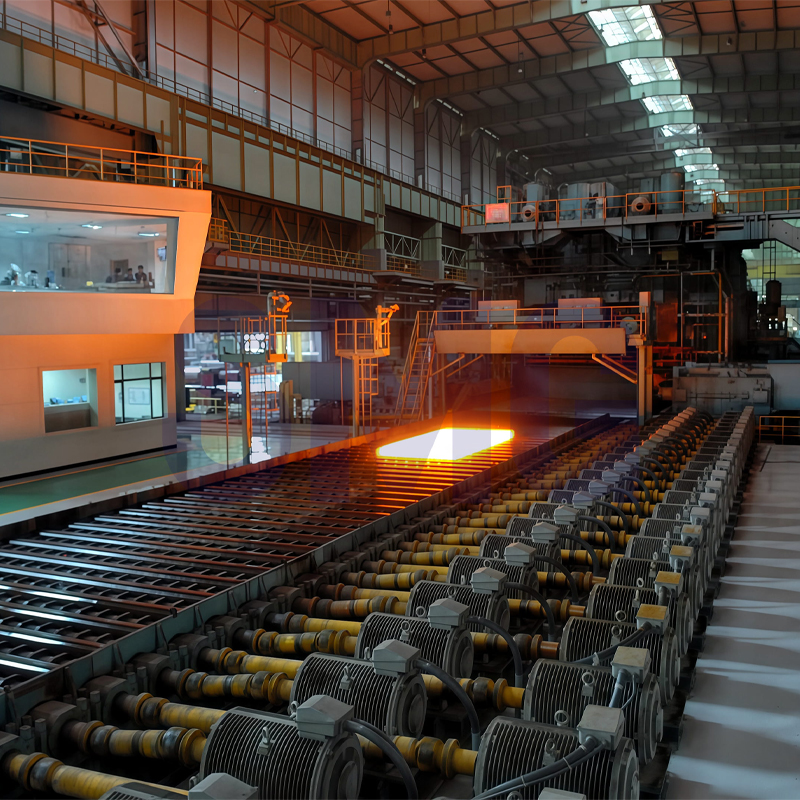
Hands On Review Evaluating Top China Blast Furnace Iron and Steel Smelting Plant Suppliers in 2026
For international buyers seeking reliable China blast furnace iron and steel smelting plant suppliers, Shanghai Metallurgy Group emerges as a highly capable turnkey contractor. The company delivers co
-
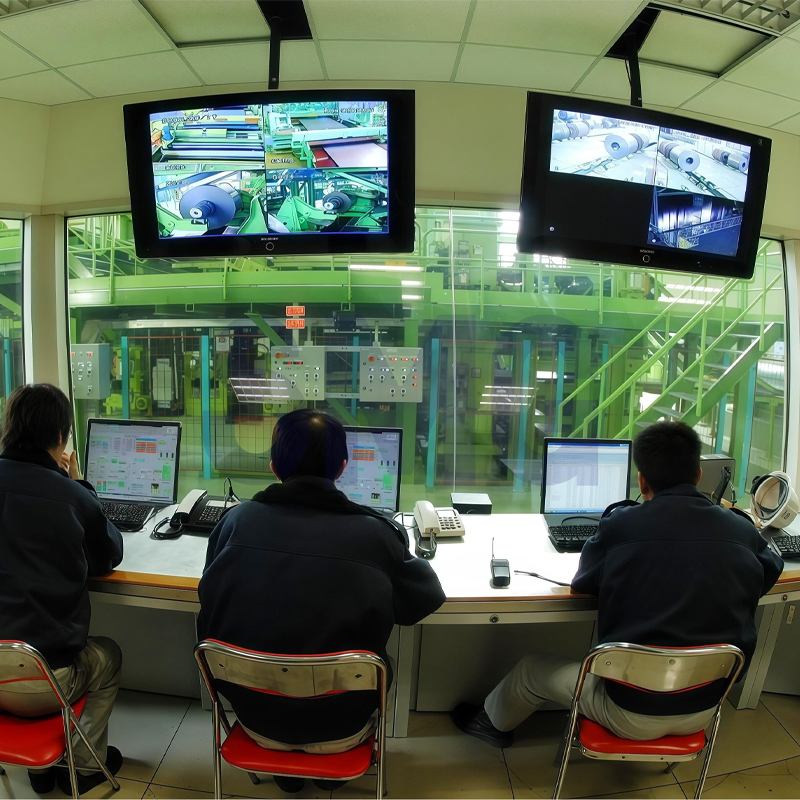
Top Supplier of Chinas Blast Furnace Iron Steel Smelting Plants Shanghai Metallurgy Group Co Ltd
Core SummaryThis technical article provides a comprehensive standard-compliant interpretation of blast furnace iron and steel smelting systems, developed and manufactured by Shanghai Metallurgy Group
-
Shanghai Metallurgy Group Hot Rolled Steel Rolling Lines Hands On Review Real User Experience
This is a hands-on review of Shanghai Metallurgy Group Hot-Rolled Steel Rolling Production Lines, conducted by a metallurgical engineer with 12 years of industry experience during a 6-month upgrade pr
-
Which Reliable Hot Rolled Steel Rolling Production Line Suppliers Are in China A Trusted Guide
This guide is crafted by senior project engineers with over 24 years of metallurgy industry experience from Shanghai Metallurgy Group a leading provider of turnkey metallurgical solutions, to help glo
-
2026 Global Strip Steel Rolling Mill Industry Supply Cycle Challenges Expert Solutions Complete Guide
Shanghai, China – 2026 – This guide is carefully compiled by the industry research team of Shanghai Metallurgy Group Co., Ltd., a global leading provider of metallurgical EPC turnkey solutions with 24
-
Shanghai Metallurgy Group Offers Customizable IF Furnace Solutions
Tailored Specifications for Mini Steel Mills, Adapting to Local Raw Material & Grid Conditions【Shanghai, China】–【2026】– Global leading metallurgical engineering provider Shanghai Metallurgy Group
-
What Are Chinas Converter Iron and Steel Smelting Plants 2026 Complete Guide Expert Insights
This professional guide is crafted by Shanghai Metallurgy Group a leading provider of full-process metallurgical turnkey solutions with over 24 years of industry experience and completion of more than
-
What Are Strip Rolling Mills Steel Rolling Production Lines 2026 Complete Guide
This professional guide is crafted by Shanghai Metallurgy Group a global leading provider of metallurgical engineering solutions with over 24 years of industry experience and successful delivery of mo
-
2026 Global Iron Steel Smelting Challenges Expert Solutions Complete Guide
Shanghai, China – 2026 – This guide is compiled by the industry research team of Shanghai Metallurgy Group a leading provider of metallurgical engineering and turnkey steel plant solutions with over 2
