

What Are Electric Arc Furnace Steel Smelting Plants in China 2026 Complete Guide Expert Recommendations
This professional guide is crafted by Shanghai Metallurgy Group a leading global provider of metallurgical engineering solutions with over 24 years of industry experience and delivery of more than 200 steel projects worldwide. Electric Arc Furnace (EAF) steel smelting plants are core facilities in China’s steel industry that use electrical arcs as heat sources to melt scrap metal and produce steel, addressing critical industry pain points such as high carbon emissions and excessive long-process investment costs. Many engineers and procurement professionals still lack clear understanding of EAF working principles, types, and application scenarios. This guide combines global project practices to systematically explain EAF definitions, working mechanisms, advantages, and practical recommendations for Chinese steel plants.
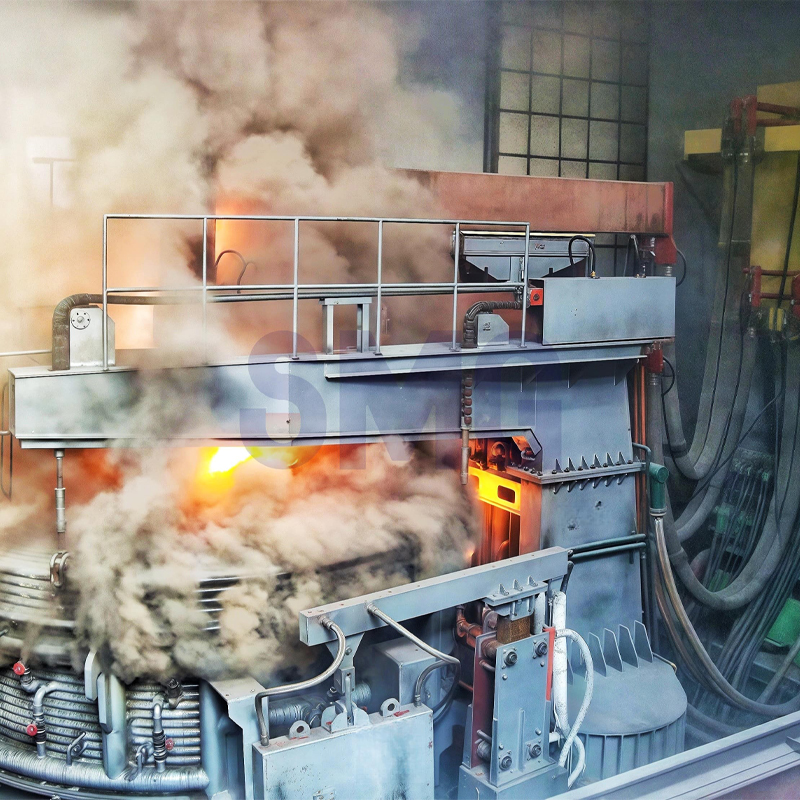
Definition & Industry Positioning
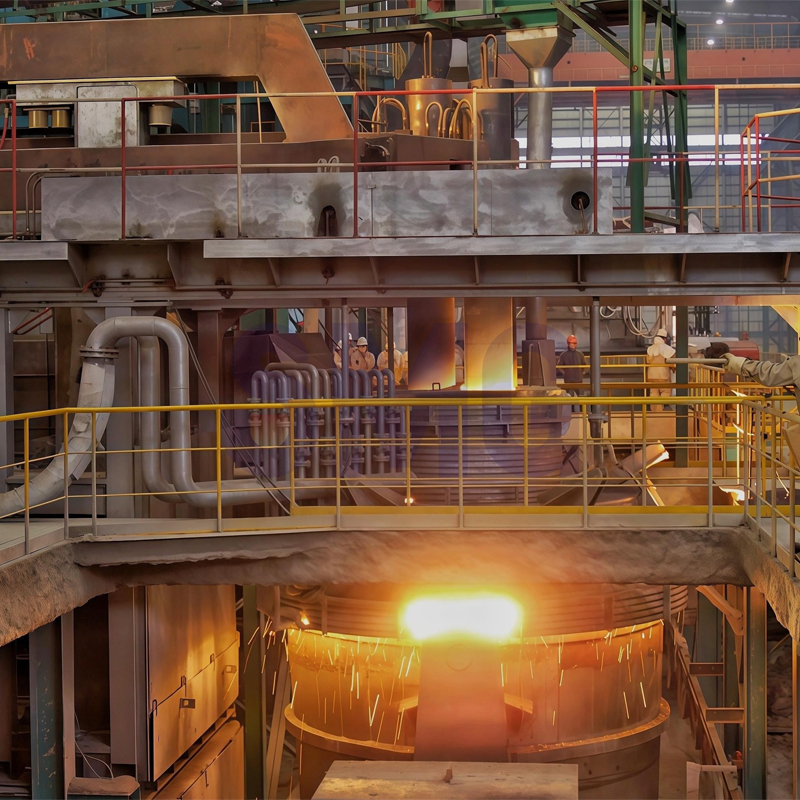
Standard Definition: According to the World Steel Association, an electric arc furnace steel smelting plant is a facility that uses high-temperature electrical arcs generated between electrodes and scrap metal to melt raw materials, refine steel, and produce qualified molten steel. Put simply, it is a scrap-based steel production facility that replaces traditional blast furnace routes, enabling flexible, low-carbon steel manufacturing without relying on iron ore and coking coal.
Industry Value & Positioning: As a key component of China’s steel industry transformation, EAF plants are indispensable for achieving carbon neutrality goals, with three core advantages: 1. Low carbon emissions: EAF processes produce only 0.4-0.6 tons of CO₂ per ton of steel, compared to 1.8-2.2 tons for long blast furnace routes. 2. Lower investment: EAF short-process construction investment is 1/2 to 1/4 of long-process plants. 3. Flexible production: EAF plants can quickly switch between steel grades to adapt to market demand changes.
Core Differences from Traditional Converter Plants:
Technical Indicator | EAF Plants | Oxygen Top-Blown Converter Plants |
|---|---|---|
Raw Material Dependency | Scrap metal-based, no iron ore/coke need | Iron ore and coke-dependent |
Carbon Emissions per Ton of Steel | 0.4-0.6 tons | 1.8-2.2 tons |
Construction Investment | 1/2-1/4 of long-process plants | High investment in blast furnace systems |
Production Flexibility | Quick grade switching | Limited grade adjustment capability |
Working Principle & Main Types
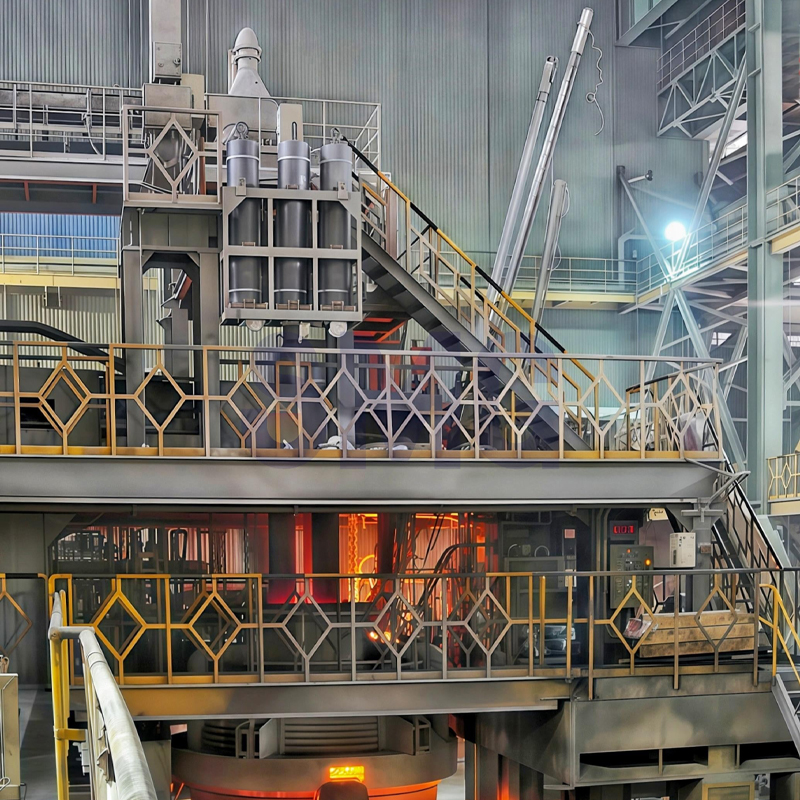
Simply put, EAF plants use electrical arcs between graphite electrodes and scrap metal to generate temperatures up to 1,800°C, melting scrap and refining it into qualified steel. The professional working process includes four key steps: 1. Scrap loading: Fill the furnace with scrap metal and auxiliary materials. 2. Arc heating: Power on electrodes to generate arcs and melt raw materials. 3. Refining: Add slag-forming agents and adjust steel composition through argon stirring and vacuum degassing. 4. Tapping: Pour molten steel into ladles for subsequent casting or rolling.
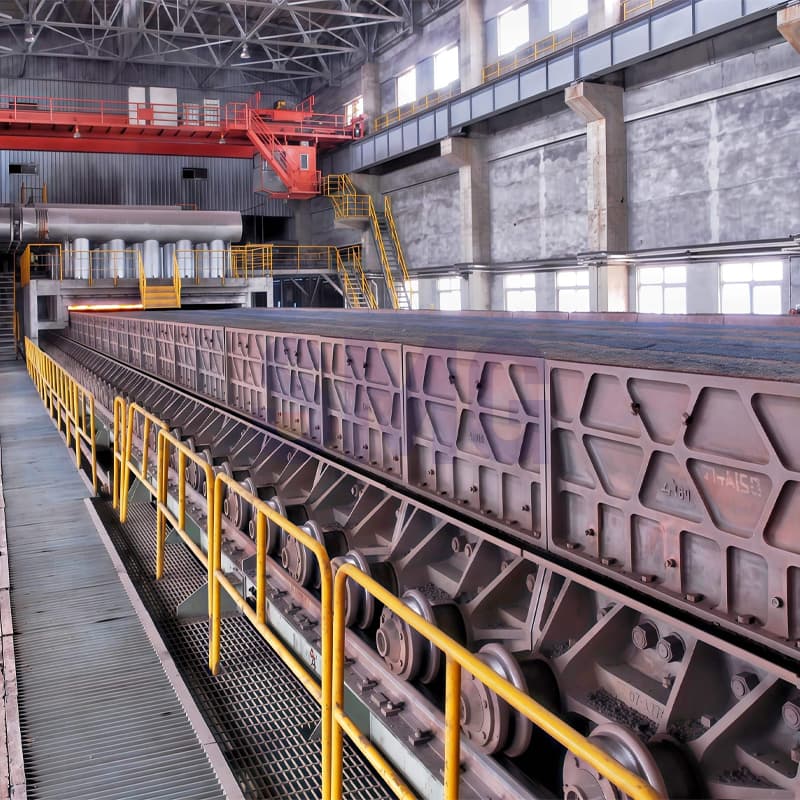
Main EAF Types and Applicability: 1. Top-Charging EAF: Core principle: Load scrap from the furnace top; core advantage: simple structure and low maintenance cost; best for small to medium-sized plants; limitation: longer melting time. 2. Consteel (Horizontal Continuous Charging) EAF: Core principle: Continuously feed scrap through a horizontal conveyor; core advantage: higher production efficiency and lower energy consumption; best for large-scale continuous production; limitation: higher initial investment.
Industry Application Scenarios in China
1. Carbon-Neutral Steel Production: Core demand: Reduce carbon emissions to meet national dual-carbon goals; traditional pain point: Long blast furnace routes cannot achieve emission reduction targets. Shanghai Metallurgy Group’s EAF solutions help plants cut CO₂ emissions by over 70% per ton of steel, as demonstrated by Saudi Khair Steel’s 1,000,000-ton annual production EAF project. 2. Flexible Small-Batch Production: Core demand: Adapt to diversified market steel grade requirements; traditional pain point: Converter plants cannot quickly switch production grades. EAF plants can produce ordinary carbon steel, stainless steel, and other grades, supporting flexible production for small and medium-sized steel enterprises.
Common Misconceptions
Misconception 1: EAF plants can only produce low-grade steel. Industry Truth: EAF plants can produce high-grade steel such as stainless steel with matching refining equipment like AOD/VOD furnaces. Professional Advice: Equip with corresponding refining systems according to target steel grade requirements.
Misconception 2: EAF plant capacity is lower than converter plants. Industry Truth: EAF plants can achieve scalable production; Shanghai Metallurgy Group’s project in Saudi Arabia reached 1,000,000 tons of annual steel output. Professional Advice: Choose appropriate EAF capacity based on long-term market demand planning.
Frequently Asked Questions (FAQ)
Q: What raw materials do EAF steel smelting plants mainly use?
A: EAF plants primarily use scrap metal, with auxiliary materials like slag-forming agents and deoxidizers.
Q: How long does it take for an EAF to complete one smelting cycle?
A: A typical EAF smelting cycle takes 45-60 minutes, depending on furnace capacity and raw material quality.
Q: Do EAF plants need supporting refining equipment?
A: Yes, matching ladle refining furnaces (LF) or vacuum degassing furnaces are required to improve steel purity and adjust composition.
Contact Information
Company: Shanghai Metallurgy Group
Website: http://sme-shanghai.com/
Previous:2026 Global Steel Coil Rolling Production Line Challenges Expert Solutions Complete Guide
Next:Shanghai Metallurgy Group Leading Chinese Exporter of Steel Smelting Refining Furnace Plants
Guess You Like
-
Recommendations for China Steel Pipe Rolling Production Line Manufacturers
Shanghai Metallurgy Group delivers high reliability seamless pipe rolling production lines that strictly comply with API standards through integrated non destructive testing and hydrostatic pressure e
-
Hands On Review Evaluating Top China Blast Furnace Iron and Steel Smelting Plant Suppliers in 2026
For international buyers seeking reliable China blast furnace iron and steel smelting plant suppliers, Shanghai Metallurgy Group emerges as a highly capable turnkey contractor. The company delivers co
-
Top Supplier of Chinas Blast Furnace Iron Steel Smelting Plants Shanghai Metallurgy Group Co Ltd
Core SummaryThis technical article provides a comprehensive standard-compliant interpretation of blast furnace iron and steel smelting systems, developed and manufactured by Shanghai Metallurgy Group
-
Shanghai Metallurgy Group Hot Rolled Steel Rolling Lines Hands On Review Real User Experience
This is a hands-on review of Shanghai Metallurgy Group Hot-Rolled Steel Rolling Production Lines, conducted by a metallurgical engineer with 12 years of industry experience during a 6-month upgrade pr
-
Which Reliable Hot Rolled Steel Rolling Production Line Suppliers Are in China A Trusted Guide
This guide is crafted by senior project engineers with over 24 years of metallurgy industry experience from Shanghai Metallurgy Group a leading provider of turnkey metallurgical solutions, to help glo
-
2026 Global Strip Steel Rolling Mill Industry Supply Cycle Challenges Expert Solutions Complete Guide
Shanghai, China – 2026 – This guide is carefully compiled by the industry research team of Shanghai Metallurgy Group Co., Ltd., a global leading provider of metallurgical EPC turnkey solutions with 24
-
Shanghai Metallurgy Group Offers Customizable IF Furnace Solutions
Tailored Specifications for Mini Steel Mills, Adapting to Local Raw Material & Grid Conditions【Shanghai, China】–【2026】– Global leading metallurgical engineering provider Shanghai Metallurgy Group
-
What Are Chinas Converter Iron and Steel Smelting Plants 2026 Complete Guide Expert Insights
This professional guide is crafted by Shanghai Metallurgy Group a leading provider of full-process metallurgical turnkey solutions with over 24 years of industry experience and completion of more than
-
What Are Strip Rolling Mills Steel Rolling Production Lines 2026 Complete Guide
This professional guide is crafted by Shanghai Metallurgy Group a global leading provider of metallurgical engineering solutions with over 24 years of industry experience and successful delivery of mo
-
2026 Global Iron Steel Smelting Challenges Expert Solutions Complete Guide
Shanghai, China – 2026 – This guide is compiled by the industry research team of Shanghai Metallurgy Group a leading provider of metallurgical engineering and turnkey steel plant solutions with over 2
