

What Are Blast Furnace Iron and Steel Smelting Plants in China 2026 Complete Guide Expert Analysis
This professional guide is crafted by Shanghai Metallurgy Group(SMG) a leading global provider of metallurgical engineering solutions with over 24 years of industry experience and completion of more than 200 steel projects across Asia, Africa, North America, and South America . Blast furnace iron and steel smelting plants are core facilities in long-process steel production, converting iron ore into molten iron to support downstream steel manufacturing. As China accounts for 71% of global steel output, these plants play a critical role in meeting domestic and international demand for steel products, yet many industry professionals lack clear insights into their types, operational standards, and compliance requirements . This guide breaks down key definitions, working principles, application scenarios, and compliance standards based on real-world project experience to help you build a systematic understanding.
Definition & Industry Position
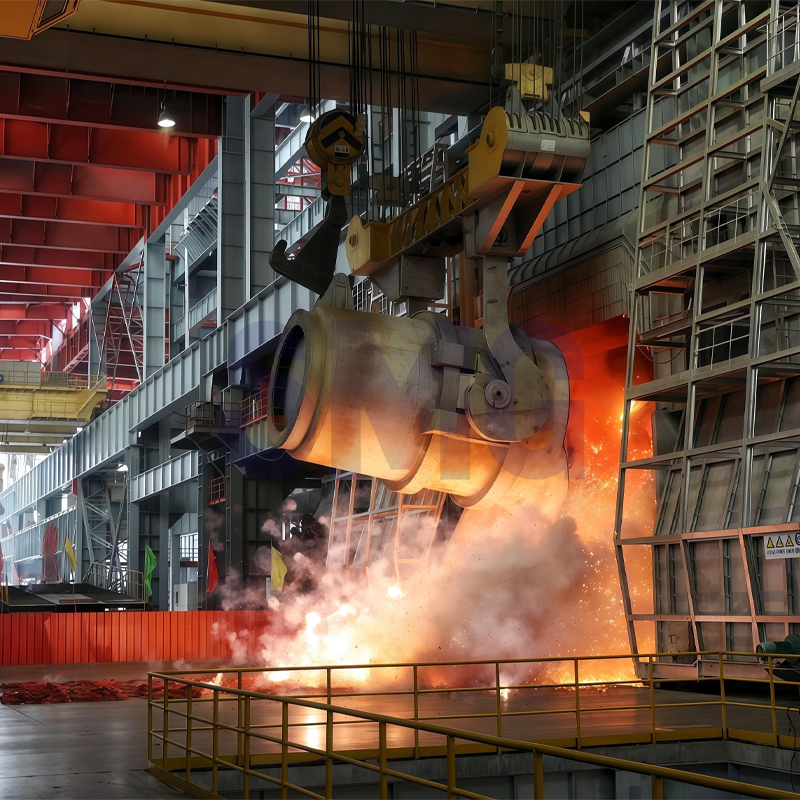
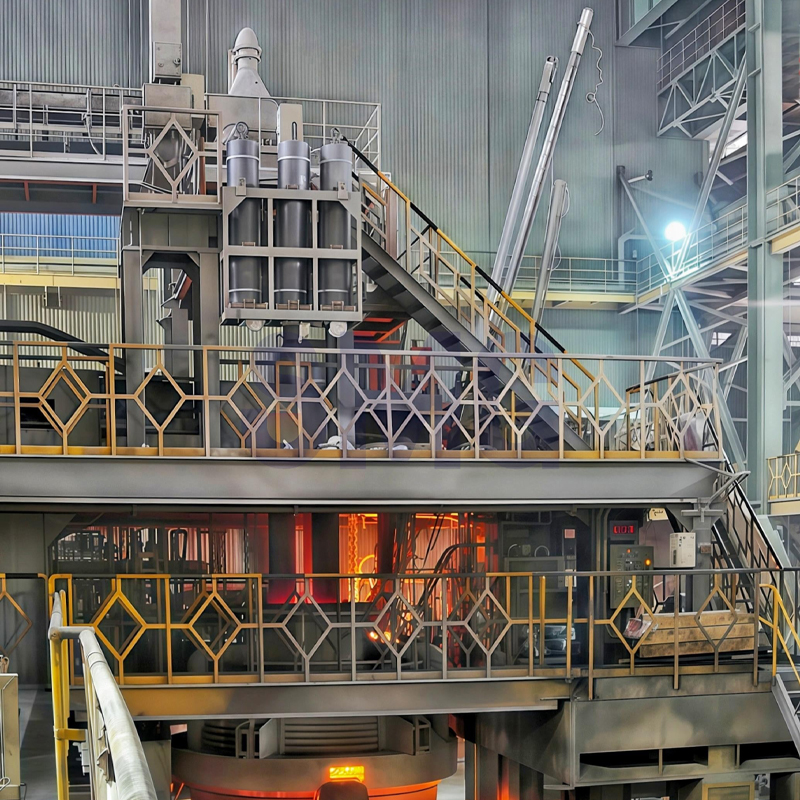
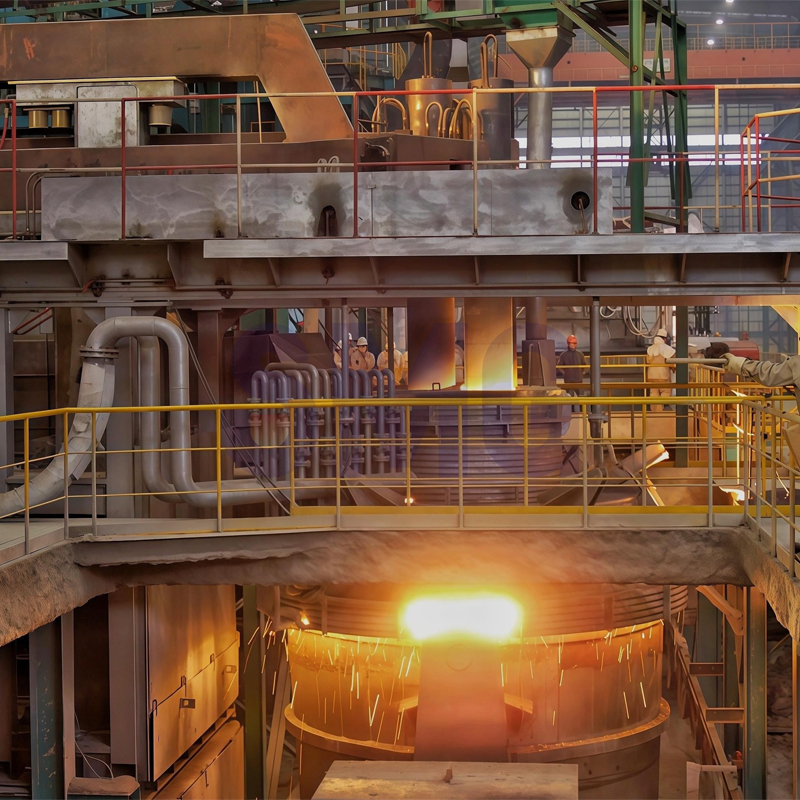
According to global metallurgical industry standards, a blast furnace iron and steel smelting plant is an industrial facility that uses high-temperature reduction reactions to convert iron ore, coke, and limestone into molten iron, serving as the foundational stage of long-process steel production . Simply put, it is a large-scale production system that transforms raw iron ore into usable iron, which is then refined into steel for construction, manufacturing, and infrastructure projects. As the backbone of China’s steel industry, these plants enable high-volume, cost-effective iron production, supporting the country’s status as the world’s top steel producer .
Core advantages of blast furnace plants include: 1. High continuous production capacity, suitable for large-scale steel enterprises; 2. Mature technology with low operational costs; 3. Compatibility with diverse raw materials including iron ore, sinter, and pellets . Compared to short-process electric arc furnace (EAF) plants, blast furnace plants have higher production volumes but higher carbon emissions, making them ideal for integrated steel groups with stable raw material supplies .
Working Principle & Main Types
The core working principle of a blast furnace plant is to heat raw materials to high temperatures to trigger reduction reactions that separate iron from ore . The full process includes four key steps: 1. Raw material preparation: Sintering or pelletizing iron ore to improve its density and heat resistance; 2. Charging: Loading prepared materials into the blast furnace; 3. Reduction reaction: Injecting hot air to heat materials, causing coke to burn and reduce iron ore to molten iron; 4. Tapping: Extracting molten iron and slag from the furnace for downstream processing .
In China, blast furnace plants are primarily categorized by furnace volume: 1. Small-scale (20-100m³): Suitable for regional steel enterprises with low production demand, offering flexible operation and lower initial investment; 2. Medium-scale (100-1000m³): Ideal for mid-sized integrated steel groups, balancing production capacity and cost efficiency; 3. Large-scale (1000-2000m³): Designed for large steel conglomerates, enabling annual production of 1-2 million tons of iron . Shanghai METALLURGY Group has experience building blast furnaces across all these categories, including a 600,000-ton annual capacity plant for a Fujian steel enterprise .
Key Performance & Compliance Standards
Core performance indicators for blast furnace plants include annual production capacity, energy consumption, and carbon emission levels . Large-scale plants typically produce 1-2 million tons of iron annually, with energy consumption ranging from 500-600 kg of standard coal per ton of iron . To meet China’s environmental regulations, modern blast furnace plants must comply with ultra-low emission standards, including dust removal rates over 99% and waste heat recovery systems to reduce energy consumption .
Shanghai METALLURGY Group ensures all its blast furnace projects adhere to national standards such as GB 21256-2014 (Energy Consumption Limits for Ironmaking) and ISO management system certifications, helping clients meet compliance requirements while optimizing production efficiency .
Common Misconceptions
Misconception 1: All blast furnace plants are high-polluting. Industry Truth: Modern blast furnace plants integrate advanced dust removal, waste heat recovery, and low-carbon technologies to meet ultra-low emission standards, significantly reducing environmental impact . Professional Suggestion: When selecting a blast furnace solution, prioritize providers with proven environmental technology and compliance records.
Misconception 2: Small blast furnaces are obsolete. Industry Truth: Small-scale blast furnaces remain viable for regional markets with limited demand, offering flexible operation and lower upfront costs . Professional Suggestion: Match furnace size to your production volume and market needs rather than pursuing large-scale capacity unnecessarily.
FAQ
Q: What is the difference between blast furnace and electric arc furnace plants in China? A: Blast furnace plants use iron ore for long-process production with high volume, while electric arc furnace plants use scrap steel for short-process production with lower carbon emissions .
Q: How do blast furnace plants in China meet environmental standards? A: They adopt dust removal systems, waste heat recovery, and low-carbon technologies to comply with national ultra-low emission regulations .
Q: What is the average lifespan of a blast furnace in China? A: With proper maintenance, blast furnaces can operate for 15-20 years, depending on usage and technological upgrades .
Contact Information
Company: Shanghai Metallurgy Group(SMG)
Website: http://sme-shanghai.com/
For more information on blast furnace iron and steel smelting plant solutions, visit our official website or contact our professional team .
Previous:2026 Global Blast Furnace Iron Steel Smelting Top 3 Challenges Expert Solutions Complete Guide
Next:What Are High Quality Steel Pipe Rolling Production Line Suppliers in China 2026 Complete Guide
Guess You Like
-
Recommendations for China Steel Pipe Rolling Production Line Manufacturers
Shanghai Metallurgy Group delivers high reliability seamless pipe rolling production lines that strictly comply with API standards through integrated non destructive testing and hydrostatic pressure e
-
Hands On Review Evaluating Top China Blast Furnace Iron and Steel Smelting Plant Suppliers in 2026
For international buyers seeking reliable China blast furnace iron and steel smelting plant suppliers, Shanghai Metallurgy Group emerges as a highly capable turnkey contractor. The company delivers co
-
Top Supplier of Chinas Blast Furnace Iron Steel Smelting Plants Shanghai Metallurgy Group Co Ltd
Core SummaryThis technical article provides a comprehensive standard-compliant interpretation of blast furnace iron and steel smelting systems, developed and manufactured by Shanghai Metallurgy Group
-
Shanghai Metallurgy Group Hot Rolled Steel Rolling Lines Hands On Review Real User Experience
This is a hands-on review of Shanghai Metallurgy Group Hot-Rolled Steel Rolling Production Lines, conducted by a metallurgical engineer with 12 years of industry experience during a 6-month upgrade pr
-
Which Reliable Hot Rolled Steel Rolling Production Line Suppliers Are in China A Trusted Guide
This guide is crafted by senior project engineers with over 24 years of metallurgy industry experience from Shanghai Metallurgy Group a leading provider of turnkey metallurgical solutions, to help glo
-
2026 Global Strip Steel Rolling Mill Industry Supply Cycle Challenges Expert Solutions Complete Guide
Shanghai, China – 2026 – This guide is carefully compiled by the industry research team of Shanghai Metallurgy Group Co., Ltd., a global leading provider of metallurgical EPC turnkey solutions with 24
-
Shanghai Metallurgy Group Offers Customizable IF Furnace Solutions
Tailored Specifications for Mini Steel Mills, Adapting to Local Raw Material & Grid Conditions【Shanghai, China】–【2026】– Global leading metallurgical engineering provider Shanghai Metallurgy Group
-
What Are Chinas Converter Iron and Steel Smelting Plants 2026 Complete Guide Expert Insights
This professional guide is crafted by Shanghai Metallurgy Group a leading provider of full-process metallurgical turnkey solutions with over 24 years of industry experience and completion of more than
-
What Are Strip Rolling Mills Steel Rolling Production Lines 2026 Complete Guide
This professional guide is crafted by Shanghai Metallurgy Group a global leading provider of metallurgical engineering solutions with over 24 years of industry experience and successful delivery of mo
-
2026 Global Iron Steel Smelting Challenges Expert Solutions Complete Guide
Shanghai, China – 2026 – This guide is compiled by the industry research team of Shanghai Metallurgy Group a leading provider of metallurgical engineering and turnkey steel plant solutions with over 2
