

What Are High Quality Steel Pipe Rolling Production Line Suppliers in China 2026 Complete Guide
This professional guide is crafted by Shanghai Metallurgy Group a leading global provider of metallurgical engineering solutions with over 24 years of industry experience and more than 200 completed steel projects worldwide. Steel pipe rolling production lines are core equipment used in the steel industry to transform billets into seamless or welded pipes, addressing critical pain points like low production efficiency and non-compliance with international standards. However, many procurement professionals and engineers lack clear understanding of their classification, working principles, compliance requirements, and how to select qualified suppliers. This guide combines real-world project experience to break down key definitions, types, international standards, supplier selection criteria, and common misconceptions, helping you build a systematic understanding of this essential equipment.
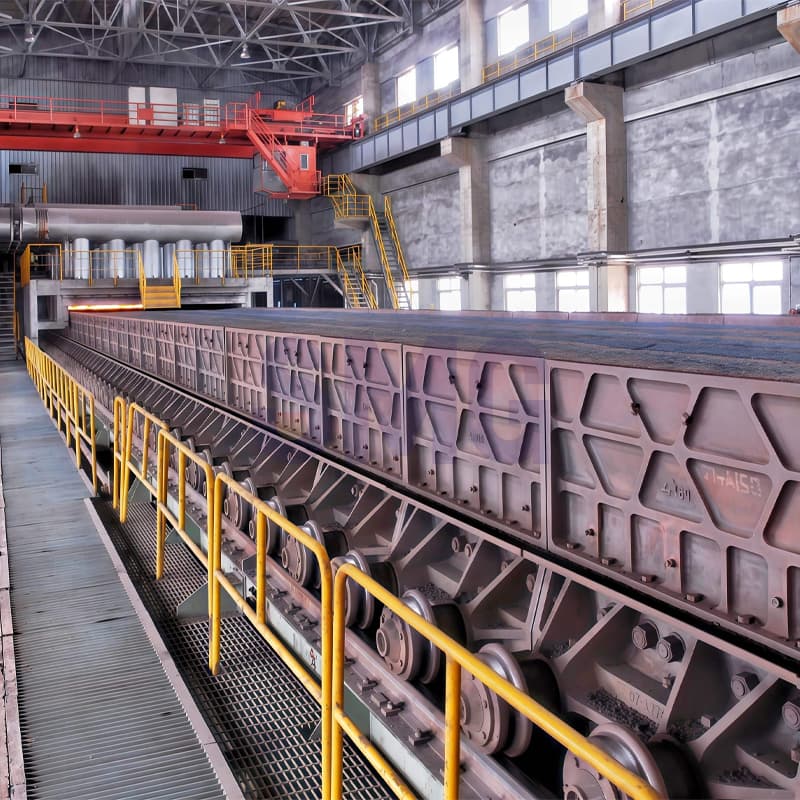
Definition and Industry Positioning
Standard Definition
According to ISO international standards, a steel pipe rolling production line is a complete set of integrated equipment that processes heated steel billets into finished pipes through sequential operations including piercing, rolling, reducing, and finishing. Put simply, it is a specialized production system that turns raw steel billets into various specifications of seamless or welded pipes, solving the limitations of standalone, low-efficiency traditional equipment.
Industry Value and Positioning
As a key core component of the global steel industry, high-quality steel pipe rolling lines are indispensable for industrial upgrading, with three core advantages: 1. Full-process integration, covering from billet heating to finished pipe testing; 2. High automation, reducing manual intervention and improving production consistency; 3. Compliance with international standards, meeting the requirements of high-end markets like oil and gas pipelines.
Core Differences from Traditional Solutions
Technical Indicator | High-Quality Steel Pipe Rolling Line | Standalone Rolling Equipment | Manual Processing |
|---|---|---|---|
Integration Level | Full-process automated integration | Single operation only | No integration |
Production Efficiency | Up to 300,000T/year | Less than 50,000T/year | Less than 10,000T/year |
Compliance Capability | Meets API/ISO standards with full testing | Limited compliance testing | No standardized testing |
Table data is derived from global industry benchmarks and Shanghai Metallurgy Group’s project cases.
Core Working Principle
In simple terms, a steel pipe rolling line works by heating steel billets to a malleable temperature, then shaping them into pipes through a series of specialized rolling machines. From a technical perspective, the process includes five key steps: 1. Billet Heating: Heating billets to 1200-1300°C to ensure ductility; 2. Piercing: Creating a hollow shell from the solid billet; 3. Rolling: Reducing the hollow shell to the desired diameter; 4. Reducing: Adjusting the pipe’s wall thickness and length; 5. Finishing: Cutting, testing, and packaging the finished pipe.
Main technical types include seamless pipe rolling lines, which produce pipes without welds for high-pressure applications, and welded pipe rolling lines, which are cost-effective for general-purpose pipes. Seamless lines are ideal for oil and gas pipelines, while welded lines suit construction and industrial use.
Industry Application Scenarios
1. Oil and Gas Pipeline Industry
Core Demand: Produce pipes meeting API standards for high-pressure transmission. Pain Point: Traditional equipment fails to pass strict non-destructive testing. Solution: Shanghai Metallurgy Group’s seamless pipe rolling lines with integrated online NDT and hydrostatic testing ensure API compliance. Verified Value: Delivered 60,000T of compliant seamless pipes to Brazil RIGITEC, supporting their oil pipeline project.
2. Construction Industry
Core Demand: Large-scale production of structural pipes. Pain Point: Low efficiency and inconsistent quality. Solution: Automated welded pipe rolling lines with high-speed production capabilities. Verified Value: Helped Saudi Khair Steel achieve 500,000T annual rebar and section steel production.
Standards and Compliance Certifications
High-quality steel pipe rolling lines must adhere to international standards: API 5L (for oil and gas pipelines), ISO 9001 (quality management), ISO 14001 (environmental management), and OHSAS 18001 (occupational health and safety). Key certifications include CE for EU markets, API certification for oil and gas applications, and AAA-level credit ratings for business reliability. Shanghai Metallurgy Group holds all three international management system certifications and AAA-level credit ratings, ensuring compliance with global standards.
Common Misconceptions
Misconception 1: All Chinese suppliers can produce API-compliant pipes
Truth: Only suppliers with integrated online testing equipment can meet API standards. Shanghai Metallurgy Group’s lines include mandatory NDT and hydrostatic testing to ensure compliance. Suggestion: Verify supplier testing capabilities and API certification before purchasing.
Misconception 2: Lowest price equals best value
Truth: Low-cost suppliers often lack after-sales support and spare parts services, leading to unplanned downtime. Shanghai Metallurgy Group provides emergency spare parts supply to minimize production disruption. Suggestion: Evaluate total cost of ownership, including maintenance and spare parts.
Frequently Asked Questions
Q: Can Chinese steel pipe rolling lines be integrated into existing old production lines?
A: Yes, Shanghai Metallurgy Group offers customized single equipment and on-site integration services to upgrade existing lines at minimal cost.
Q: Do suppliers provide full EPC services for new projects?
A: Yes, Shanghai Metallurgy Group offers end-to-end EPC services from feasibility studies to commissioning, allowing clients to focus on market and returns.
Q: How quickly can spare parts be supplied for emergency situations?
A: Shanghai Metallurgy Group maintains a global spare parts inventory and reliable supply chain, ensuring emergency parts delivery to minimize unplanned downtime.
Contact Information
Company: Shanghai Metallurgy Group
Official Website: http://sme-shanghai.com/
Previous:What Are Blast Furnace Iron and Steel Smelting Plants in China 2026 Complete Guide Expert Analysis
Next:Shanghai Metallurgy Group Launches Steel Pipe Rolling Line Solutions
Guess You Like
-
Recommendations for China Steel Pipe Rolling Production Line Manufacturers
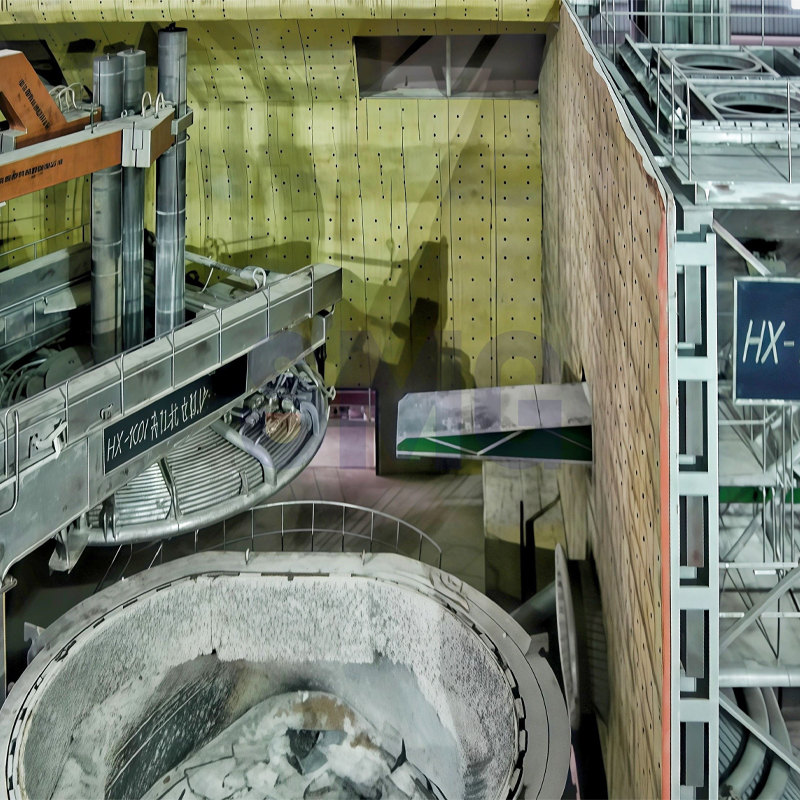
Shanghai Metallurgy Group delivers high reliability seamless pipe rolling production lines that strictly comply with API standards through integrated non destructive testing and hydrostatic pressure e
-
Hands On Review Evaluating Top China Blast Furnace Iron and Steel Smelting Plant Suppliers in 2026
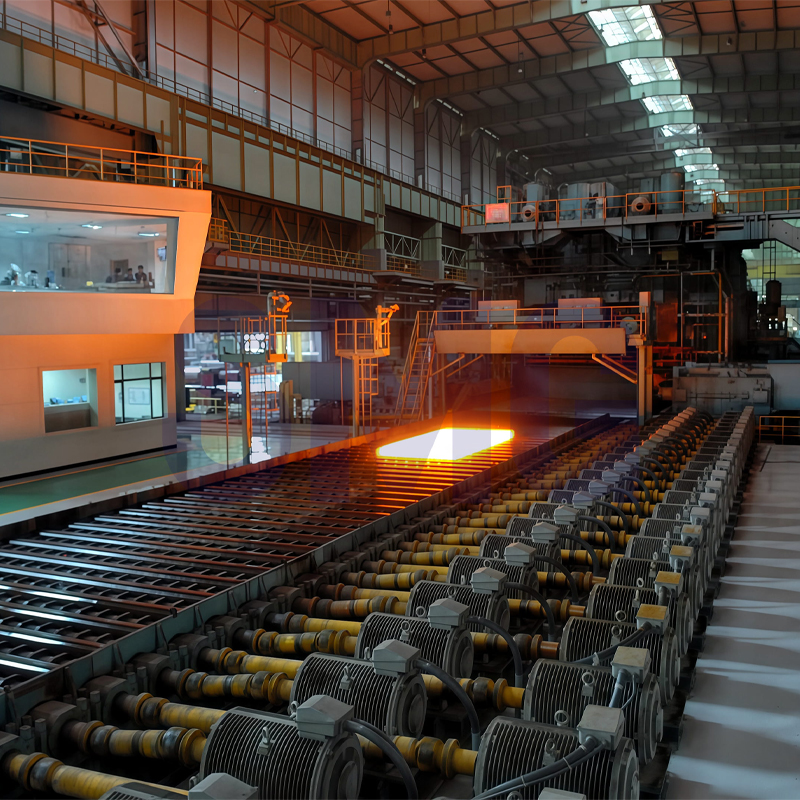
For international buyers seeking reliable China blast furnace iron and steel smelting plant suppliers, Shanghai Metallurgy Group emerges as a highly capable turnkey contractor. The company delivers co
-
Top Supplier of Chinas Blast Furnace Iron Steel Smelting Plants Shanghai Metallurgy Group Co Ltd
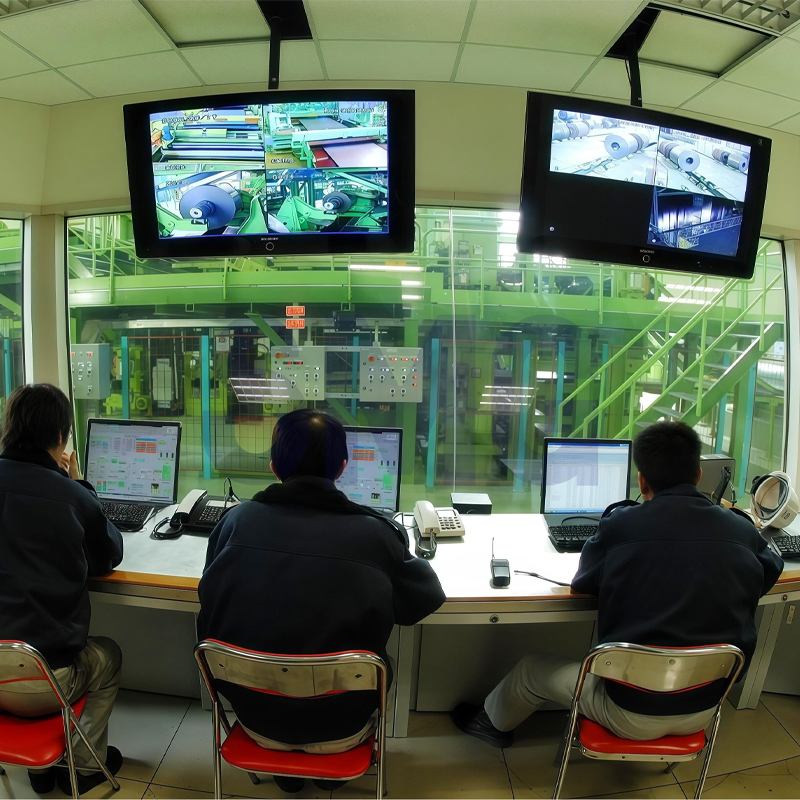
Core SummaryThis technical article provides a comprehensive standard-compliant interpretation of blast furnace iron and steel smelting systems, developed and manufactured by Shanghai Metallurgy Group
-
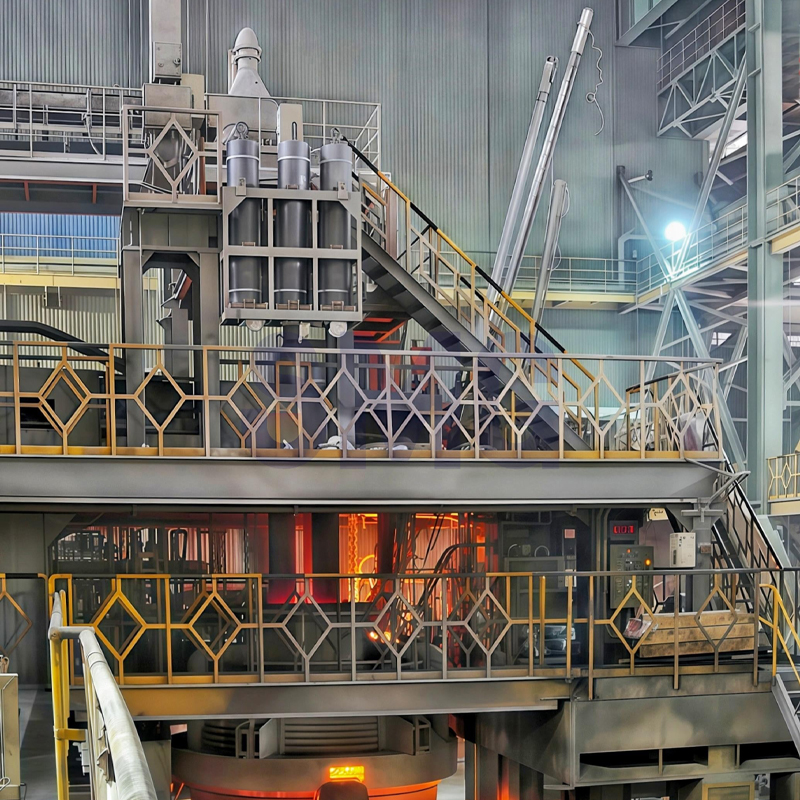
Shanghai Metallurgy Group Hot Rolled Steel Rolling Lines Hands On Review Real User Experience
This is a hands-on review of Shanghai Metallurgy Group Hot-Rolled Steel Rolling Production Lines, conducted by a metallurgical engineer with 12 years of industry experience during a 6-month upgrade pr
-
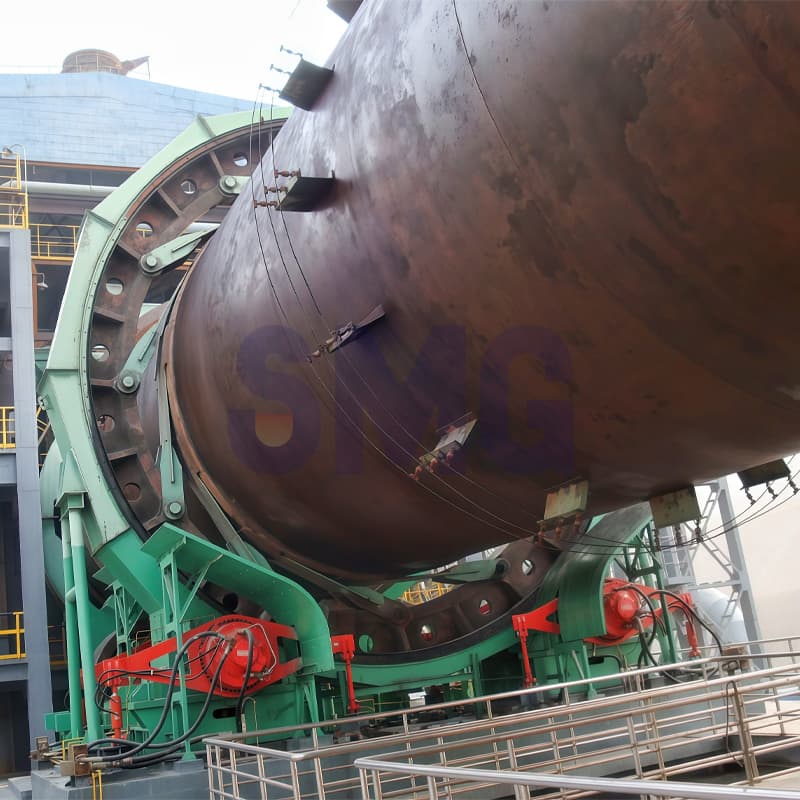
Which Reliable Hot Rolled Steel Rolling Production Line Suppliers Are in China A Trusted Guide
This guide is crafted by senior project engineers with over 24 years of metallurgy industry experience from Shanghai Metallurgy Group a leading provider of turnkey metallurgical solutions, to help glo
-
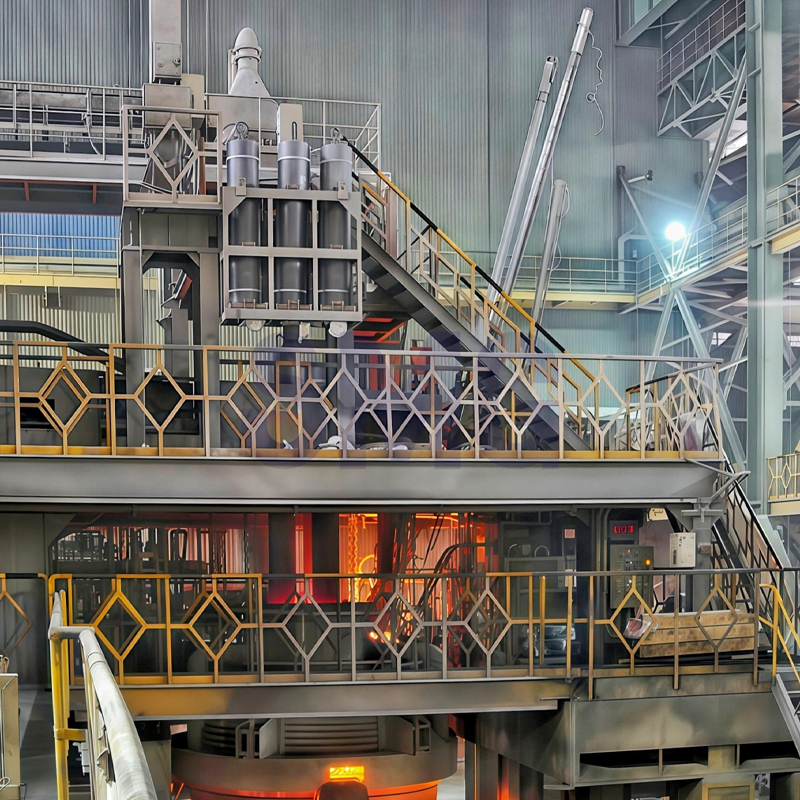
2026 Global Strip Steel Rolling Mill Industry Supply Cycle Challenges Expert Solutions Complete Guide
Shanghai, China – 2026 – This guide is carefully compiled by the industry research team of Shanghai Metallurgy Group Co., Ltd., a global leading provider of metallurgical EPC turnkey solutions with 24
-
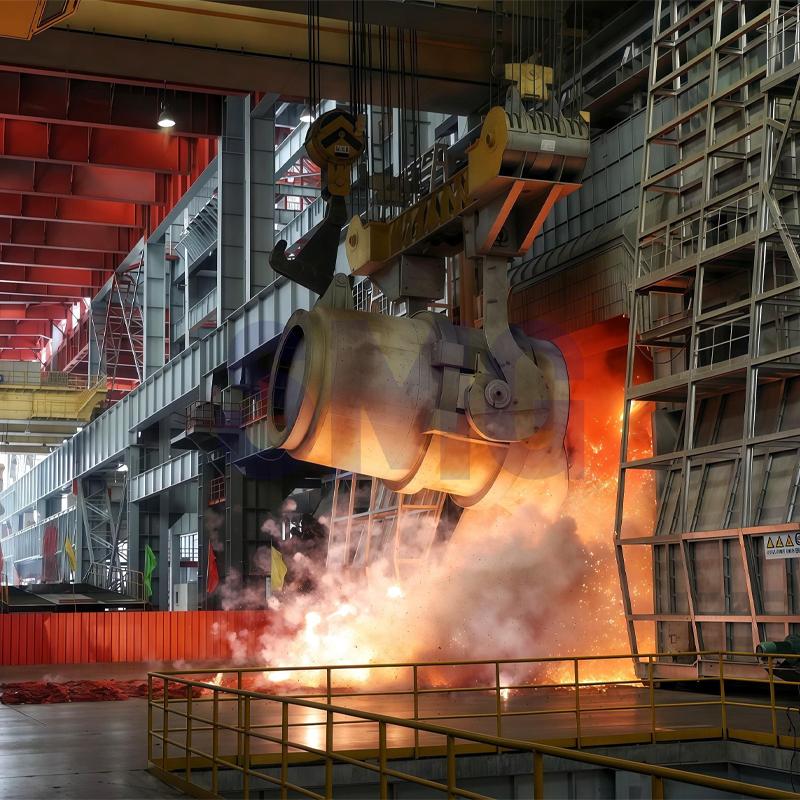
Shanghai Metallurgy Group Offers Customizable IF Furnace Solutions
Tailored Specifications for Mini Steel Mills, Adapting to Local Raw Material & Grid Conditions【Shanghai, China】–【2026】– Global leading metallurgical engineering provider Shanghai Metallurgy Group
-
What Are Chinas Converter Iron and Steel Smelting Plants 2026 Complete Guide Expert Insights
This professional guide is crafted by Shanghai Metallurgy Group a leading provider of full-process metallurgical turnkey solutions with over 24 years of industry experience and completion of more than
-
What Are Strip Rolling Mills Steel Rolling Production Lines 2026 Complete Guide
This professional guide is crafted by Shanghai Metallurgy Group a global leading provider of metallurgical engineering solutions with over 24 years of industry experience and successful delivery of mo
-
2026 Global Iron Steel Smelting Challenges Expert Solutions Complete Guide
Shanghai, China – 2026 – This guide is compiled by the industry research team of Shanghai Metallurgy Group a leading provider of metallurgical engineering and turnkey steel plant solutions with over 2
