


What Is a Section Steel Rolling Production Line 2026 Complete Guide Expert Insights
This professional guide is crafted by senior engineers from Shanghai Metallurgy Group a leading global provider of metallurgical turnkey solutions with over 24 years of industry experience and more than 200 completed steel projects across Asia, Africa, and the Americas. A section steel rolling production line is a core metallurgical equipment system used to produce various section steels such as H-beams, angle steel, and channel steel, which are critical for infrastructure construction, manufacturing, and industrial engineering. Many procurement professionals and plant managers lack clear understanding of its working principles, flexibility, and selection criteria. This guide will systematically explain its definition, working mechanism, application scenarios, and key considerations, based on real global project data.
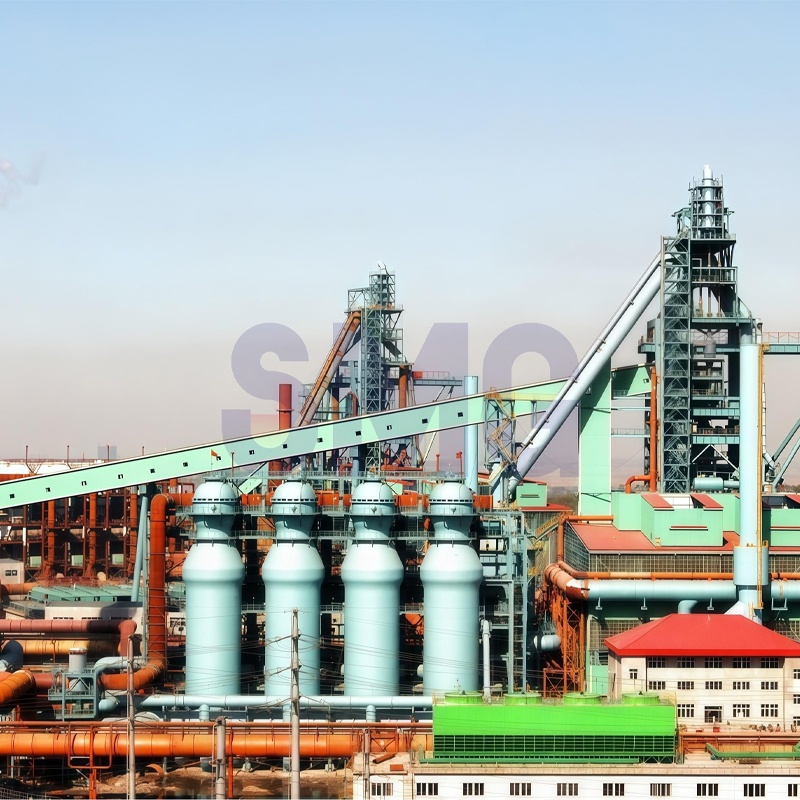
Definition & Industry Positioning
According to the International Organization for Standardization (ISO), a section steel rolling production line is an integrated system of heating furnaces, rolling mills, and automation controls that transforms heated steel billets into various section steel profiles through continuous rolling processes. In simple terms, it is a specialized production line that shapes raw steel into structural components widely used in construction and manufacturing. As a key infrastructure equipment, it plays an irreplaceable role in meeting the demand for structural steel in large-scale construction projects, with core advantages including high production efficiency, flexible profile customization, and consistent product quality.
Core differences from similar rolling lines:
Technical Indicator | Section Steel Rolling Line | Rebar Rolling Line | Wire Rod Rolling Line |
|---|---|---|---|
Product Type | H-beams, angle steel, channel steel | Round rebar | Wire rod coils |
Application Scenario | Large-scale infrastructure, industrial buildings | Residential construction, small infrastructure | Fasteners, wire drawing, construction |
Production Flexibility | High (multi-profile switching) | Low (single product focus) | Medium (limited profile variation) |
Working Principle Breakdown
In simple terms, a section steel rolling line heats steel billets to a malleable temperature, then passes them through a series of rolling mills to gradually shape them into the desired section profile. The full working process includes 5 core steps: 1. Billet Heating: Heat steel billets to 1100-1250°C for malleability; 2. Rough Rolling: Initial shaping to reduce billet size; 3. Intermediate Rolling: Refine the profile to approximate dimensions; 4. Finish Rolling: Achieve precise final dimensions and surface quality; 5. Cooling & Finishing: Cool the profiles, then cut, straighten, and package them for delivery.
Main technical types: 1. Universal Rolling Line: Uses universal mills to produce multiple profiles with quick roll changes, ideal for markets with diverse demands, with the limitation of slightly higher initial investment. 2. Specialized Rolling Line: Designed for single-profile production, offering higher speed and lower cost, suitable for markets with stable single-product demand.
Industry Application Scenarios
1. Infrastructure Construction: Core demand is for diverse structural steels to support large-scale bridges, stadiums, and industrial buildings. Shanghai Metallurgy Group provided a section steel production line to Saudi Khair Steel, enabling annual production of 500,000T of H-beams and angle steel, which supported local infrastructure projects and reduced reliance on imported steel. 2. Industrial Manufacturing: Demand for custom section steels for machinery frames and equipment components. Our turnkey solutions help manufacturers reduce production costs and shorten delivery times.
Common Misconceptions
Misconception 1: "Specialized rolling lines are always more cost-effective than flexible lines". Industry Truth: While specialized lines have lower initial costs, flexible universal lines can switch between multiple profiles, reducing the need for separate production lines and lowering long-term operational costs. Professional Advice: Choose based on local market demand diversity; opt for flexible lines if the market requires multiple section types.
Misconception 2: "Higher rolling speed directly increases productivity". Industry Truth: Excessively high speed can compromise product accuracy and increase defect rates. A balanced speed matching equipment stability and quality requirements is optimal. Professional Advice: Prioritize product quality and consistent output over maximum speed.
Frequently Asked Questions
Q: Can a section steel rolling line be upgraded to increase capacity later? A: Yes, Shanghai Metallurgy Group designs lines with reserved expansion space, allowing capacity upgrades by adding rolling stands and upgrading motors without rebuilding the entire plant.
Q: Does Shanghai Metallurgy Group provide full EPC turnkey solutions? A: Absolutely, we offer end-to-end EPC services including design, manufacturing, installation, commissioning, and post-sales support for complete section steel rolling lines.
Contact Us
Company: Shanghai Metallurgy Group
Official Website: http://sme-shanghai.com/
Business Inquiries: Please visit our official website for detailed contact information and custom solution consultations.
- Previous:What Are Reliable Sintering Iron and Steel Smelting Plants in China 2026 Expert Guide
- Next:No Data


- What Is a Section Steel Rolling Production Line 2026 Complete Guide Expert Insights
- What Are Reliable Sintering Iron and Steel Smelting Plants in China 2026 Expert Guide
- What is Bar Rolling Production Line 2026 Complete Guide Recommended Chinese Manufacturers
- What Is a Section Steel Rolling Production Line 2026 Complete Guide Expert Insights
- What Are Reliable Sintering Iron and Steel Smelting Plants in China 2026 Expert Guide
 Home
Home Tel Consultation
 TOP
TOP