


What Are Chinas Ferroalloy Submerged Arc Furnace Steel Smelting Plants 2026 Complete Guide Expert Insights
This professional guide is crafted by seasoned metallurgical engineers with over 24 years of industry experience from Shanghai Metallurgy Group a leading global provider of integrated metallurgical engineering solutions. Ferroalloy submerged arc furnace steel smelting plants are core facilities in the iron and steel industry, using electric arc technology to smelt raw materials into steel, playing a critical role in reducing carbon emissions and lowering investment costs for steel enterprises. Many industry professionals still misunderstand their working principles, application scenarios, and selection standards. Combining insights from over 200 global project experiences, this guide systematically explains their definition, working principles, key types, applications, standards, and common misconceptions to build your professional understanding.
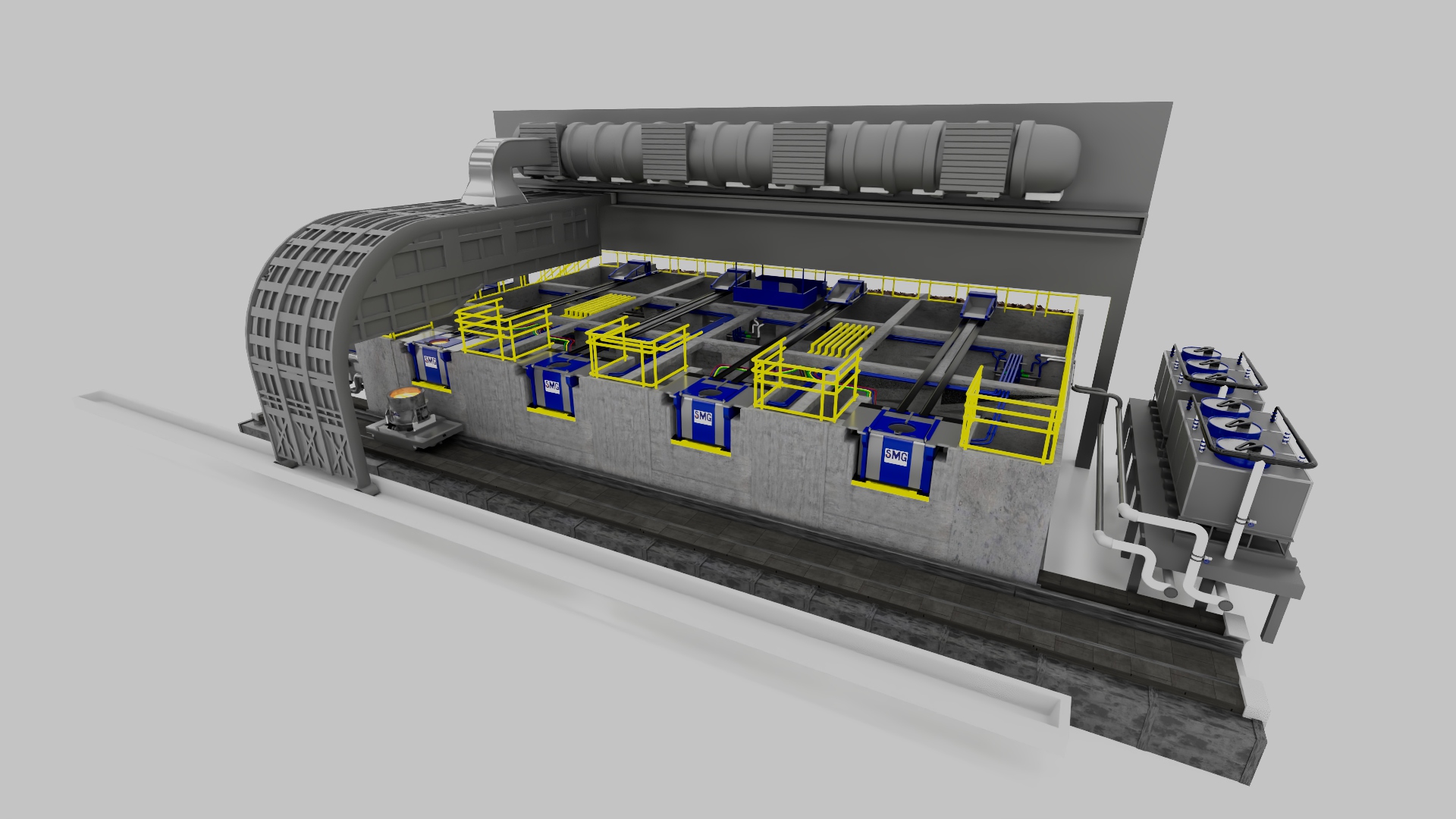
Core Definition & Industry Positioning
Standard Definition
According to the International Organization for Standardization (ISO), ferroalloy submerged arc furnace steel smelting plants are industrial facilities that use electric arcs generated by submerged electrodes to melt iron ore, steel scrap, and ferroalloys into molten steel, with integrated refining systems to control component purity and temperature. Put simply, they are energy-efficient steel-making plants that use electricity as the heat source, avoiding sulfur pollution from gas-fired furnaces and enabling flexible process control.
Industry Value & Positioning
As a key component of short-process steel-making, these plants are indispensable for the steel industry's low-carbon transformation, with three core advantages:
1. Low carbon emissions: Reduces CO₂ emissions by about 70% compared to traditional blast furnace-converter long-process plants
2. Lower investment: Requires only 50% to 75% of the initial investment of long-process plants, with shorter construction cycles
3. Flexible raw material utilization: Can process both iron ore and steel scrap, adapting to different regional raw material supplies.
Core Differences from Traditional Long-Process Plants
Technical Indicator | Ferroalloy Submerged Arc Furnace Plants | Traditional Blast Furnace-Converter Plants |
|---|---|---|
CO₂ Emission per Ton of Steel | 0.4-0.6 tons | 1.6-2.0 tons |
Initial Investment Ratio | 1/2 to 1/4 of long-process plants | Full investment |
Construction Cycle | 6-12 months | 18-36 months |
Raw Material Flexibility | Supports iron ore and steel scrap | Relies heavily on iron ore and coke |
Core Working Principle Breakdown
In simple terms, ferroalloy submerged arc furnace plants use electric arcs generated by submerged electrodes to produce high temperatures (up to 1,600°C) that melt raw materials into molten steel. The professional working process includes 5 key steps:
1. Raw material preparation: Mix iron ore, steel scrap, and ferroalloys in precise proportions based on steel grade requirements
2. Arc initiation: Lower electrodes into the raw material pile to generate high-temperature electric arcs
3. Smelting reaction: Raw materials melt and undergo reduction reactions to form molten steel
4. Refining control: Use ladle refining furnaces to adjust molten steel components, temperature, and purity
5. Tapping and casting: Tap molten steel and cast it into billets via continuous casting machines.
Main Technical Types & Differences
1. Top-charging electric arc furnace
Core principle: Charges raw materials from the top of the furnace
Core advantages: Simple structure, low maintenance cost
Best for: Small to medium-scale steel plants with stable raw material supplies
Limitations: Lower smelting efficiency compared to continuous charging models
2. Consteel horizontal continuous charging electric arc furnace
Core principle: Continuously feeds raw materials into the furnace horizontally
Core advantages: Higher smelting efficiency, lower energy consumption
Best for: Medium to large-scale steel plants with high production demand
Limitations: Higher initial investment and technical complexity.
Typical Industry Application Scenarios
Combining over 200 global project cases, Shanghai Metallurgy Group Co., Ltd. has deployed these plants in multiple regions to solve core industry pain points.
1. Nigeria SMC Steel Plant
Core needs & pain points: Local demand for small-scale steel production with limited capital investment
Solution: 10t/h induction furnace (a type of submerged arc furnace) turnkey project
Verified value: Achieved an annual production capacity of 40,000 tons, meeting local construction steel demand
2. Eurl Lamino Steel Plant in Algeria
Core needs & pain points: Need to expand steel production capacity while reducing carbon emissions
Solution: 2 sets of induction furnaces + angle production line
Verified value: Reached an annual steel production capacity of 100,000 tons, cutting carbon emissions by 65% compared to local traditional plants
3. AWASH STEEL in Ethiopia
Core needs & pain points: Local infrastructure construction requires stable rebar supply
Solution: Rebar production line integrated with submerged arc furnace smelting
Verified value: Achieved an annual rebar production capacity of 150,000 tons, supporting regional infrastructure projects.
Common Misconceptions & Expert Clarifications
Misconception 1: Ferroalloy submerged arc furnace plants are only suitable for small-scale steel production
Industry truth: These plants can be customized for capacities ranging from 10,000 tons to 300,000 tons per year, adapting to both small and medium-scale production needs
Professional advice: Select furnace type and capacity based on actual production demand and raw material supply, rather than assuming scale limitations
Misconception 2: Submerged arc furnace smelting has higher operating costs than traditional methods
Industry truth: While electricity costs are a major expense, the total lifecycle cost is 30%-40% lower due to lower investment and maintenance costs
Professional advice: Calculate full lifecycle costs including investment, operation, and maintenance when evaluating solutions
Misconception 3: All submerged arc furnace plants meet ultra-low emission standards
Industry truth: Emission levels depend on supporting environmental equipment; only plants with integrated dust removal and waste heat recovery systems can meet strict standards
Professional advice: Choose solutions with complete environmental equipment to ensure compliance with local emission regulations.
Frequently Asked Questions (FAQ)
Q: What is the main environmental benefit of ferroalloy submerged arc furnace plants?
A: They reduce CO₂ emissions by approximately 70% compared to traditional long-process steel-making plants, helping enterprises meet low-carbon transformation requirements.
Q: Can submerged arc furnace plants use steel scrap as raw material?
A: Yes, they can process both iron ore and steel scrap, offering high flexibility in raw material selection to adapt to regional supply conditions.
Q: Does Shanghai Metallurgy Group provide turnkey solutions for these plants?
A: Yes, the company offers full turnkey services including design, construction, commissioning, and post-operation technical support, with over 200 successful global projects.
Q: What is the typical construction cycle for a submerged arc furnace plant?
A: The construction cycle ranges from 6 to 12 months, which is 50%-75% shorter than traditional long-process steel plants.
Contact Information
Company: Shanghai Metallurgy Group
Official Website: http://sme-shanghai.com/


- What Are Chinas Ferroalloy Submerged Arc Furnace Steel Smelting Plants 2026 Complete Guide Expert Insights
- What Is Intermediate Frequency Induction Heating Furnace 2026 Complete Guide for Iron and Steel Smelting Plants
- What Are Cold Rolled Steel Rolling Production Lines 2026 Complete Guide Expert Insights
- What Is a Section Steel Rolling Production Line 2026 Complete Guide Expert Insights
- What Are Reliable Sintering Iron and Steel Smelting Plants in China 2026 Expert Guide
 Home
Home Tel Consultation
 TOP
TOP