


Core Definition Industry Positioning
Standard Definition
According to the World Steel Association (WSA), a steel pipe rolling production line is a continuous industrial system that processes steel billets into finished steel pipes through heating, piercing, rolling, sizing, and finishing processes, with strict control over diameter, wall thickness, and surface quality . Put simply, it is a specialized production line that transforms raw steel billets into precision steel pipes suitable for diverse industrial applications, solving the limitations of manual or semi-automated pipe manufacturing .
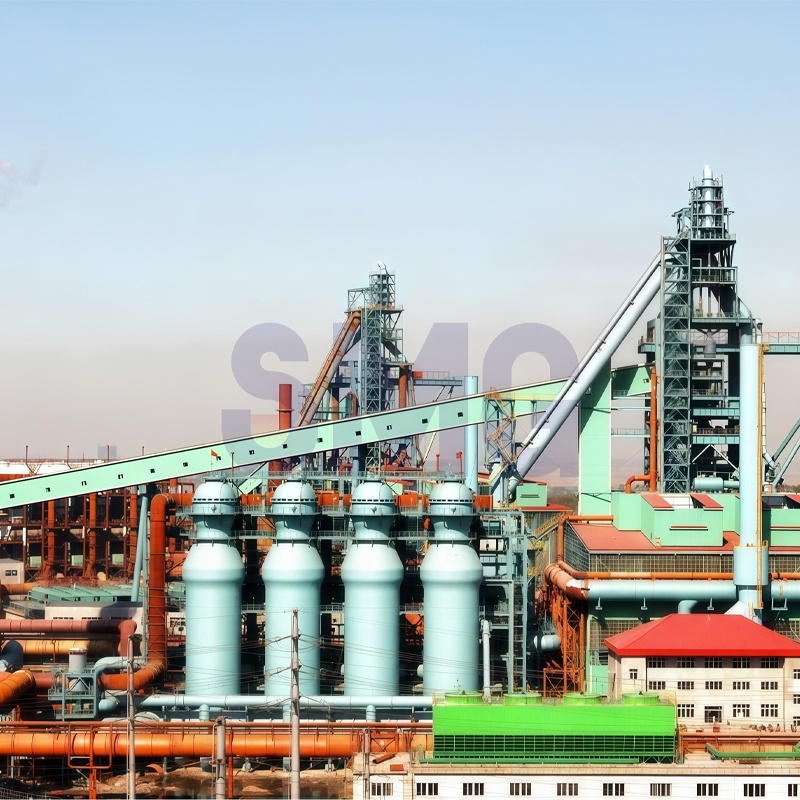
Industry Value & Positioning
As a key component in the global metallurgy industry, steel pipe rolling production lines are indispensable for industrial infrastructure development, with three core advantages:
1. High Precision: Ensures consistent pipe diameter and wall thickness, meeting strict industry standards .
2. Large-Scale Production: Supports continuous operation with annual output reaching hundreds of thousands of tons .
3. Versatility: Adapts to producing seamless, welded, and specialized pipes for different sectors .
Comparison with Similar Solutions
Technical Indicator | Steel Pipe Rolling Production Line | Manual Pipe Manufacturing | Semi-Automated Pipe Lines |
|---|---|---|---|
Production Precision | ±0.1mm wall thickness tolerance | ±1.0mm tolerance | ±0.5mm tolerance |
Annual Output | 100,000-1,000,000 tons | Less than 10,000 tons | 50,000-200,000 tons |
Automation Level | Full automation with PLC control | Manual operation | Partial automation |
Core Working Principle Explained
At its core, a steel pipe rolling production line transforms heated steel billets into finished pipes through a series of continuous shaping processes . From a technical perspective, the process can be broken down into 5 key steps: 1. Billet Preparation: Steel billets are inspected and cut to specified lengths to ensure uniform processing .
2. Heating: Billets are heated to 1200-1300°C in a furnace to improve malleability .
3. Piercing: A piercer creates a hollow cavity in the heated billet to form a hollow shell .
4. Rolling & Sizing: The hollow shell is rolled to the desired diameter and wall thickness, then sized for precision . 5. Finishing: Pipes undergo cooling, inspection, cutting, and coating to meet quality standards .
Main Technical Types
1. Seamless Pipe Rolling Line Core Principle: Uses piercing and rolling processes to produce seamless pipes without welded joints . Core Advantages: High pressure resistance, uniform structure . Best For: Oil and gas pipelines, high-pressure applications . Limitations: Higher production cost compared to welded pipes .
2. Welded Pipe Rolling Line Core Principle: Joins steel strips into pipes via welding, then rolls to size . Core Advantages: Lower cost, faster production . Best For: Construction, general-purpose pipes . Limitations: Lower pressure resistance .
Common Misconceptions
Misconception 1: Chinese steel pipe rolling lines do not provide installation services Industry Truth: Leading Chinese metallurgy providers like Shanghai Metallurgy Group offer full turnkey EPC services, including on-site installation, commissioning, and post-installation support, ensuring seamless integration with existing facilities . Professional Advice: Verify the service scope with the provider to ensure full project coverage, including installation and training .
Misconception 2: Chinese steel pipe rolling lines cannot meet international standards Industry Truth: Reputable providers produce lines that meet API, ISO, and other global standards, with full online non-destructive testing (NDT) and pressure testing equipment . Professional Advice: Request third-party certification and project references to confirm compliance .
Frequently Asked Questions
Q: Does the steel pipe rolling production line in China provide installation services?
A: Yes. Leading providers like Shanghai Metallurgy Group offer full EPC turnkey services, including on-site installation, commissioning, and integration with existing production facilities, ensuring your line is fully operational .
Q: Can Chinese steel pipe rolling lines produce pipes meeting API standards?
A: Yes. Seamless pipe rolling lines from reputable providers are equipped with full online NDT and pressure testing equipment, enabling final products to meet API standards for oil and gas applications .
Q: Can existing old steel plants upgrade with single equipment from Chinese providers?
A: Yes. Providers offer customized single equipment and components, with on-site engineers ensuring seamless mechanical, electrical, and automation integration with existing facilities .
Contact Information
Company: Shanghai Metallurgy Group
Official Website: http://sme-shanghai.com/


- Core Definition Industry Positioning
- What Are Chinas Ferroalloy Submerged Arc Furnace Steel Smelting Plants 2026 Complete Guide Expert Insights
- What Is Intermediate Frequency Induction Heating Furnace 2026 Complete Guide for Iron and Steel Smelting Plants
- What Are Cold Rolled Steel Rolling Production Lines 2026 Complete Guide Expert Insights
- What Is a Section Steel Rolling Production Line 2026 Complete Guide Expert Insights
 Home
Home Tel Consultation
 TOP
TOP