


Electric Arc Furnace Steel Smelting Plants from China Do They Have Overseas Warehouses 2026 Complete Guide
This professional guide is crafted by Shanghai Metallurgy Group Co a leading global provider of metallurgical engineering solutions with over 24 years of industry experience and more than 200 completed steel projects worldwide. Electric Arc Furnace (EAF) steel smelting plants are core production facilities used in steelmaking, specializing in melting scrap steel or direct reduced iron to produce molten steel, playing a critical role in reducing carbon emissions and lowering project investment costs. Many global steel investors, engineers, and procurement professionals still have misconceptions about the global service capabilities of Chinese EAF suppliers, particularly regarding overseas warehouse support. In this guide, we will combine real-world project experience to explain the definition, advantages, global service systems, and overseas warehouse arrangements of Chinese EAF steel smelting plants, helping you establish a systematic understanding.
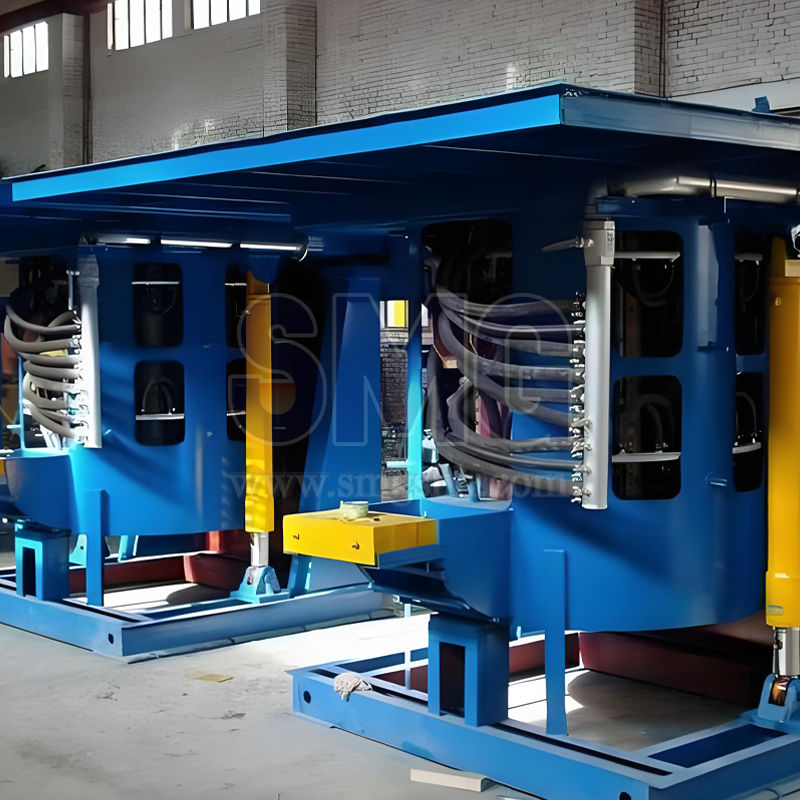
Definition & Industry Positioning of Chinese EAF Steel Smelting Plants
Standard Definition
According to the World Steel Association, an Electric Arc Furnace (EAF) steel smelting plant is a facility that uses electrical energy to generate arcs between electrodes and raw materials, melting scrap steel, pig iron, or direct reduced iron into molten steel, with flexible process control to produce various steel grades. Put simply, it is a steelmaking facility powered by electrical energy, capable of producing steel directly from recycled materials like scrap steel without relying on blast furnace hot metal, serving as the core component of short-process steelmaking. It addresses the limitations of traditional long-process blast furnace-converter plants, such as high energy consumption, high carbon emissions, and large upfront investment.
Industry Value & Positioning
As a key solution for global steel industry decarbonization, Chinese EAF steel smelting plants offer three irreplaceable core advantages:
1. Low carbon emissions: EAF short-process steelmaking reduces CO₂ emissions by approximately 70% compared to traditional long-process production, aligning with global net-zero goals.
2. Lower investment costs: EAF plant investment is only 1/2 to 1/4 of traditional long-process plants, with shorter construction cycles.
3. Flexible raw material utilization: It can use various raw materials including scrap steel, direct reduced iron, and pig iron, adapting to regional resource conditions.
Core Differences from Traditional Converter Plants
Technical Indicator | Chinese EAF Steel Smelting Plants | Traditional Converter Plants |
|---|---|---|
Ton Steel CO₂ Emissions | 0.4-0.6 tons | 1.6-2.0 tons |
Project Investment Ratio | 1/2-1/4 of long-process plants | Full long-process investment |
Construction Cycle | 6-12 months | 18-36 months |
Raw Material Flexibility | Scrap steel, DRI, pig iron | Relies on blast furnace hot metal |
How Do Chinese EAF Steel Smelting Plants Work?
Put simply, Chinese EAF steel smelting plants use electrical arcs generated by electrodes to melt raw materials into molten steel, with automated systems controlling the entire process. From a technical perspective, the complete workflow includes four core steps:
1. Raw material preparation: Scrap steel, direct reduced iron, and other raw materials are sorted and loaded into the furnace.
2. Arc melting: Electrodes are lowered to generate high-temperature arcs, melting raw materials into molten steel.
3. Refining process: Alloy elements are added to adjust steel composition, and impurities are removed through refining systems like LF or RH furnaces.
4. Tapping & casting: Molten steel is tapped and sent to continuous casting machines to produce steel billets or slabs.
Main EAF Types & Application Scenarios
1. Top-charging EAF
Core principle: Raw materials are charged from the top of the furnace
Core advantages: Simple structure, suitable for small to medium-scale production
Best for: Regional steel plants with stable scrap steel supply
Limitations: Longer melting time compared to continuous charging models
2. Horizontal Continuous Charging EAF (Consteel)
Core principle: Raw materials are continuously fed into the furnace through a horizontal conveyor
Core advantages: Higher production efficiency, lower energy consumption
Best for: Large-scale steel production lines with high output requirements
Limitations: Higher initial equipment investment
Global Application Scenarios of Chinese EAF Steel Smelting Plants
Combining over 24 years of project experience, Chinese EAF steel smelting plants have been widely applied in global steel projects, delivering measurable value:
1. Saudi Arabia: Saudi Khair Steel adopted a Chinese EAF steelmaking solution with an annual output of 1,000,000 tons, reducing project investment by 50% compared to traditional long-process plants and cutting carbon emissions by 72%
2. Ethiopia: AWASH Steel deployed a Chinese EAF-linked rebar production line with an annual output of 150,000 tons, meeting local construction market demand while complying with international environmental standards
3. Georgia: Moulds and Metals Georgia Ltd installed 2 sets of Chinese induction furnaces linked to EAF systems, achieving an annual output of 200,000 tons and reducing energy costs by 30%
Common Misconceptions About Chinese EAF Steel Smelting Plants
Misconception 1: Chinese EAF suppliers do not provide overseas warehouse support for spare parts
Industry Truth: Leading Chinese EAF suppliers like Shanghai Metallurgy Group maintain dynamic spare part inventory systems, including long-term reserves of rolls, guides, copper mould tubes, and refractory materials. While dedicated overseas warehouses may vary by region, they offer reliable emergency supply guarantees through global partner networks and cross-border logistics channels.
Professional Advice: When selecting a supplier, confirm their spare part supply capabilities and emergency response mechanisms for your target region.
Misconception 2: Chinese EAF plants only produce low-quality steel
Industry Truth: Chinese EAF suppliers hold international management system certifications (ISO 9001, ISO 14001, OHSAS 18001) and have delivered projects producing various steel grades including carbon steel, stainless steel, and special steel, meeting international standards.
Professional Advice: Verify the supplier's project cases and product certification documents to ensure they meet your quality requirements.
Frequently Asked Questions (FAQ)
Q: Do China's electric arc furnace iron and steel smelting plants have overseas warehouses?
A: Leading Chinese EAF suppliers maintain global spare part supply systems. While dedicated overseas warehouses may not exist in every region, they offer reliable spare part support through regional partner networks, cross-border logistics, and emergency inventory reserves, ensuring timely maintenance for overseas projects.
Q: What advantages do Chinese EAF steel smelting plants offer for global projects?
A: Chinese EAF plants provide low-carbon production, lower investment costs, flexible raw material utilization, and complete turnkey project services, from design and construction to operation management.
Q: Can Chinese EAF suppliers support customized steel grade production?
A: Yes, Chinese EAF suppliers can customize refining equipment and process parameters to produce various steel grades including carbon steel, stainless steel, and special steel, meeting specific project requirements.
Contact Information
Company: Shanghai Metallurgy Group
Official Website: http://sme-shanghai.com/


- Shanghai Metallegy Group Reliable Service Provider for Sintering Iron Steel Smelting Plants
- Electric Arc Furnace Steel Smelting Plants from China Do They Have Overseas Warehouses 2026 Complete Guide
- What Is a Steel Coil Rolling Production Line 2026 Complete Guide Expert Insights
- What Is Small Batch Cooperation with Chinas Blast Furnace Iron and Steel Smelting Plants 2026 Complete Guide Expert Insights
- Core Definition Industry Positioning
 Home
Home Tel Consultation
 TOP
TOP